

Drifter Merch’s blog features news, events, tour dates and vendor spotlights to music and album reviews.
Custom Gear That Crushes: What to Look for in a Custom Merch Partner
Let's be real, your merch says a lot about you. Whether you're a touring band, a business owners, or a brand trying to make waves, the gear you put out there represents your identity. It's not just fabric and ink. It's a walking billboard, a conversation starter, and for your fans, a wearable piece of the culture they love.
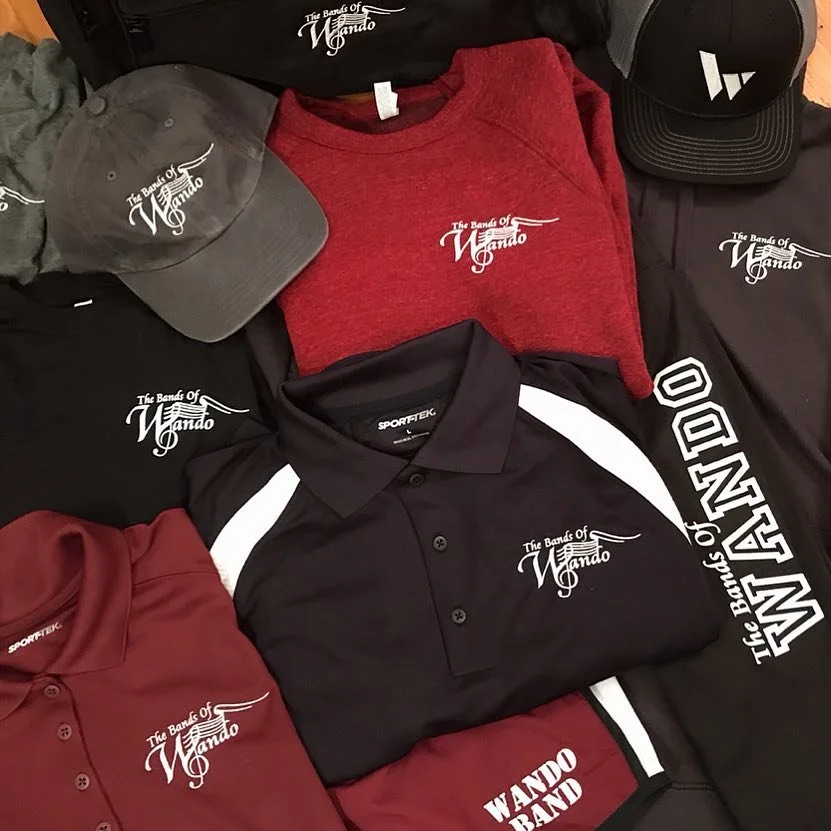
So when it comes to creating custom merchandise, who you partner with matters. A lot. The right merch partner can elevate your vision, deliver quality that makes people proud to rock your designs, and actually make the whole process enjoyable. The wrong one? Well, that's a recipe for faded prints, missed deadlines, and a whole lot of stress.
If you're searching for a custom merch partner who truly gets it, below is what you should look for in a collaborator.
Quality and Consistency: The Foundation of Everything
This one seems obvious, but you'd be surprised how often it gets overlooked. Quality isn't just about using decent materials. It's about maintaining that standard across every single order, whether you're printing 50 tees for a local store or 5,000 pieces for a summer tour.
Your fans are investing in your merch because they believe in what you're creating. Nothing kills that vibe faster than a shirt that cracks after one wash or colors that fade before the tour even ends. A great custom merch partner uses quality blanks from trusted brands and employs printing techniques that are built to last.
Consistency is the other half of this equation. If someone buys your company’s logo shirt at one event and their friend grabs the same design three months later, those shirts should look and feel identical. Your partner should have quality control processes in place to ensure every piece that goes out the door meets the same standard. No surprises, no excuses.
Design Expertise: More Than Just Technical Know-How
Here's where things get interesting. Sure, any print shop can slap ink on a shirt. But do they have years of experience and can they actually understand your needs? Can they take your rough concept and help refine it into something that pops? Can they advise you on color choices, placement, and sizing that'll work best for your specific audience?
A great custom merch partner brings real design expertise to the table. They know the difference between a good idea and a great execution. They understand Pantone color matching, proper logo placement, and how different printing methods will affect the final look. They'll review proofs with you before production and catch potential issues before they become expensive mistakes.
But here's the another thing that separates good partners from great ones: cultural understanding.
If you're in the music world, especially the jam band, festival, and lot culture scene, you need a partner who speaks your language. Someone who knows the aesthetic, respects the traditions, and understands why a certain font or color palette just feels right for your audience. This isn't something you can fake. Either your merch partner lives and breathes this culture, or they don't.
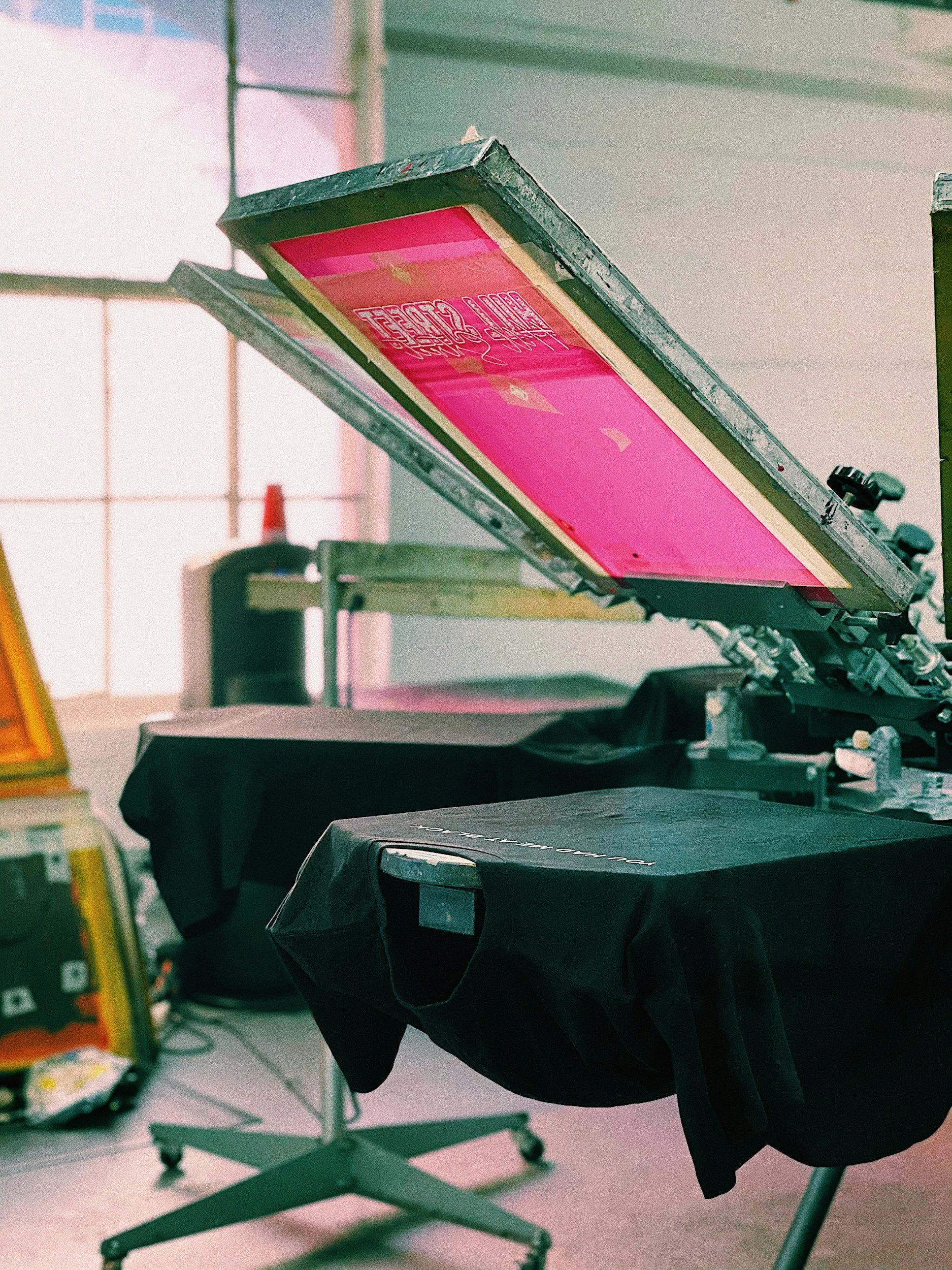
When your partner genuinely understands the art of music-inspired merch, the collaboration becomes effortless. You're not explaining every little detail or fighting for a vision they don't see. You're building something together. That's the kind of synergy that shows up in the final product and your fans will notice.
Reliability and Timely Delivery: Because Deadlines Are Real
We get it. Things happen. But when you've got a tour kicking off, a new restaurant opening, or a release date you've been promoting for months, you need a swag partner who delivers. On time. Every time.
Reliability means more than just hitting deadlines. It means clear communication throughout the process. It means realistic timelines upfront, not promises that fall apart when production actually starts. It means having systems in place to handle rush orders when necessary, without sacrificing quality.
The best partners will advise you to start conversations 4–6 weeks before you need your gear. This gives you the widest product selection, avoids rush fees, and allows time for design revisions and proofing. But they'll also have your back when plans change and you need something faster.
Ask potential partners about their production timelines, their communication process, and what happens if something goes wrong. The answers will tell you a lot about whether they're the kind of partner you can count on when it matters most.
More Than a Printer: The Collaborator Mindset
This might be the most important point of all. A great custom merch partner isn't just a vendor but they're a collaborator in building your brand's image.
Think about it. Your merch is often the first physical touchpoint someone has with your band or brand. It's what they wear around town, what they post on social media, what they keep in their closet for years. That's a powerful opportunity, and you want a partner who treats it that way.
A true collaborator brings ideas to the table. They might suggest a different garment style that fits your aesthetic better. They might recommend a printing technique you hadn't considered such as like patches versus embroidery on hats or the pros and cons of direct-to-film versus screen printing. They'll push back (respectfully) when they think something won't work and offer alternatives that serve your vision better.
This collaborative approach extends beyond individual orders too. The right partner grows with you. They understand your evolving needs as your audience expands, help you explore new product categories, and become a trusted resource you can rely on year after year.
Finding Your People
At the end of the day, custom merch is personal. It's an extension of your art, your message, and your community. You deserve a partner who treats it with the same care and passion you bring to everything else you create.
The best partnerships feel less like transactions and more like teamwork. When you find a merch partner who shares your values, understands your culture, and consistently delivers quality work, hold onto them. That relationship becomes a competitive advantage as one that shows up in every piece of gear your fans and customers proudly wear.
Ready to start a conversation about your next custom project? We'd love to hear what you're working on. Head over to Drifter Merch and let's create something that crushes.
Direct to Film vs Screen Printing: Which Method is Best for Your Custom Apparel?
While we offer both processes for custom printing, we are often asked what the differences are between the two. Direct to Film (DTF) Printing and Screen Printing are both popular methods for printing designs on apparel and other materials, but they have distinct differences in terms of process, cost, quality, and ideal use cases. Here's a breakdown of the two methods:
1. Process
Direct to Film (DTF) Printing:
DTF involves printing a design directly onto a special film (transfer paper) using a specialized inkjet printer.
After printing, the design is coated with a powder adhesive and heat-pressed onto the fabric.
This method is relatively quick, as it doesn’t require screens or plates like traditional screen printing.
Screen Printing:
Screen printing involves creating a stencil (or "screen") for each color in the design. Ink is then pushed through the mesh screen using a squeegee, transferring the design onto the material.
Each color requires a separate screen and pass, making it a more labor-intensive process, especially for multi-color designs.
2. Cost
DTF Printing:
Lower setup costs: There’s no need for screens, which reduces initial setup costs.
Higher per-print costs: While the setup is cheaper, the cost per print can be higher, especially for smaller quantities. Ink and transfer film can add to the cost.
Screen Printing:
Higher setup costs: Creating the screens and setting up the press is labor-intensive, so there is a higher initial cost, especially for multi-color designs.
Lower per-print costs: Once the setup is done, the cost per print is lower, making it more cost-effective for large orders.
3. Print Quality

DTF Printing:
High detail and color accuracy: DTF can reproduce very detailed designs and has high color vibrancy, especially for full-color or photographic images.
Soft feel: The print can feel softer compared to screen printing, as the ink is transferred onto the fabric with a heat press, without being raised.
Screen Printing:
Durability and texture: The ink in screen printing sits on top of the fabric, which can give it a thicker, more durable feel. It’s often preferred for designs where texture (such as puff or specialty inks) is desired.
Less detail in fine prints: For very detailed designs, screen printing may not be as sharp as DTF, especially if there are fine lines or gradients.
4. Ideal Use Cases
DTF Printing:
Best for full-color, intricate, or photographic designs, particularly for smaller quantities or custom jobs.
No color limit: Unlike screen printing, which requires a separate screen for each color, DTF can print full-color designs in one pass.
Ideal for personalized items or custom orders with complex graphics.
Screen Printing:
Best for large quantities with fewer colors (usually 1-4 colors), as the cost per print decreases with larger orders.
High durability: Excellent for long-lasting designs, especially on cotton-based fabrics.
Often used for simple logos, t-shirts, and bulk orders.
5. Speed and Turnaround
DTF Printing:
Faster setup time: DTF can be faster for small orders because there’s no need to create screens.
Great for on-demand printing: Ideal for custom and smaller runs, offering a quick turnaround.
Screen Printing:
Slower setup time: Requires more time to set up each color and screen, making it slower for smaller runs.
Faster for large orders: Once set up, screen printing is faster for bulk production.
6. Versatility

DTF Printing:
Works on a variety of fabrics: DTF can be used on a wide range of materials, including cotton, polyester, and blends, as well as non-fabric items like mugs and phone cases.
Screen Printing:
Limited by fabric type: While it can work on many materials, it’s most commonly used on fabrics like cotton, polyester, and some blends.
Special inks (like the plastisol we use) and techniques can be used to print on other surfaces.
Summary:
DTF Printing is ideal for small runs, complex designs, and full-color prints.
Screen Printing is best for large runs, simpler designs, and offers durability, making it perfect for bulk production of classic designs or logos.
Choosing between the two methods depends on your specific needs regarding design complexity, volume, fabric choice, and budget. If you have any questions, be sure and ask us. We’d be happy to answer your questions and get your printing process started!