

Drifter Merch’s blog features music news, events, tour dates and vendor spotlights to music and album reviews.

Drifter Merch Named Authorized Retailer of Widespread Panic Official Merchandise

Widespread Panic fans now have a new place to shop officially licensed band merchandise. Drifter Merch, a music-inspired apparel and accessories company, has been named an authorized retailer of Widespread Panic goods, bringing fans more ways to shop official designs online and at select live music events nationwide. The partnership expands access to official band merchandise beyond the concert venue and the band's website, connecting fans with the music and gear they love.
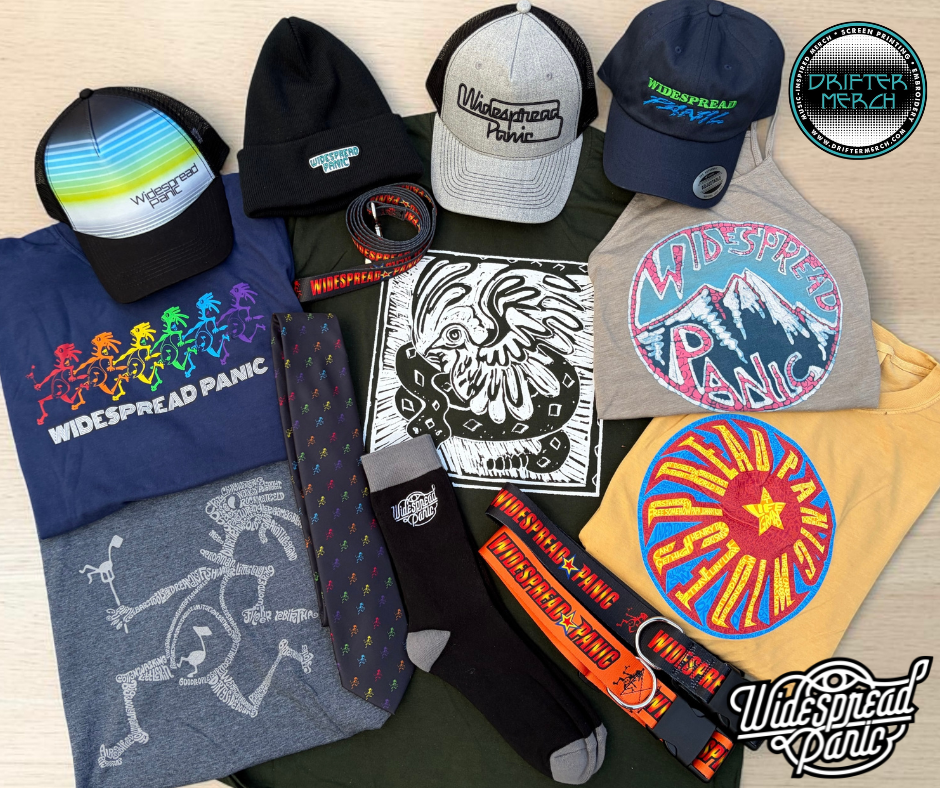
For Drifter Merch owner Lorrie Dixson Griggs, the partnership is a natural fit. A Widespread Panic fan since 1991, Griggs co-founded Drifter Merch in 2016, building a business around a passion for live music and premium-quality, vintage-inspired apparel. Her involvement in the music community extends beyond retail. Griggs serves on the founding board of Home Team FM, an online radio platform and community, and is the co-founder of Moontime Market, a traveling marketplace bringing together talented vendors with fans and live music at Widespread Panic pre-parties.
"For me, this band has always been about more than the music. It's the people, the experiences and the community that have grown around it over the years," said Griggs. "Helping make official merchandise available to fans beyond the shows is especially meaningful to me, both as a longtime fan and as someone who has built a business around the music community."
For more than three decades, Widespread Panic has cultivated a devoted following in the American jam-band scene, blending rock, blues, jazz, funk and improvisation into a distinctive sound and a live music experience that continues to bring generations of fans together.
Founded in 2016, Drifter Merch is an independent music-inspired apparel and accessories company based in Charleston, South Carolina. In addition to its online retail and nationwide event presence, the company offers custom screen printing and embroidery for businesses, bands, and events. Learn more and shop at DrifterMerch.com.
Click here to shop the Widespread Panic collection.
The Wall of Sound: How the Grateful Dead Hauled 75 Tons of Audio Perfection Around in 1974
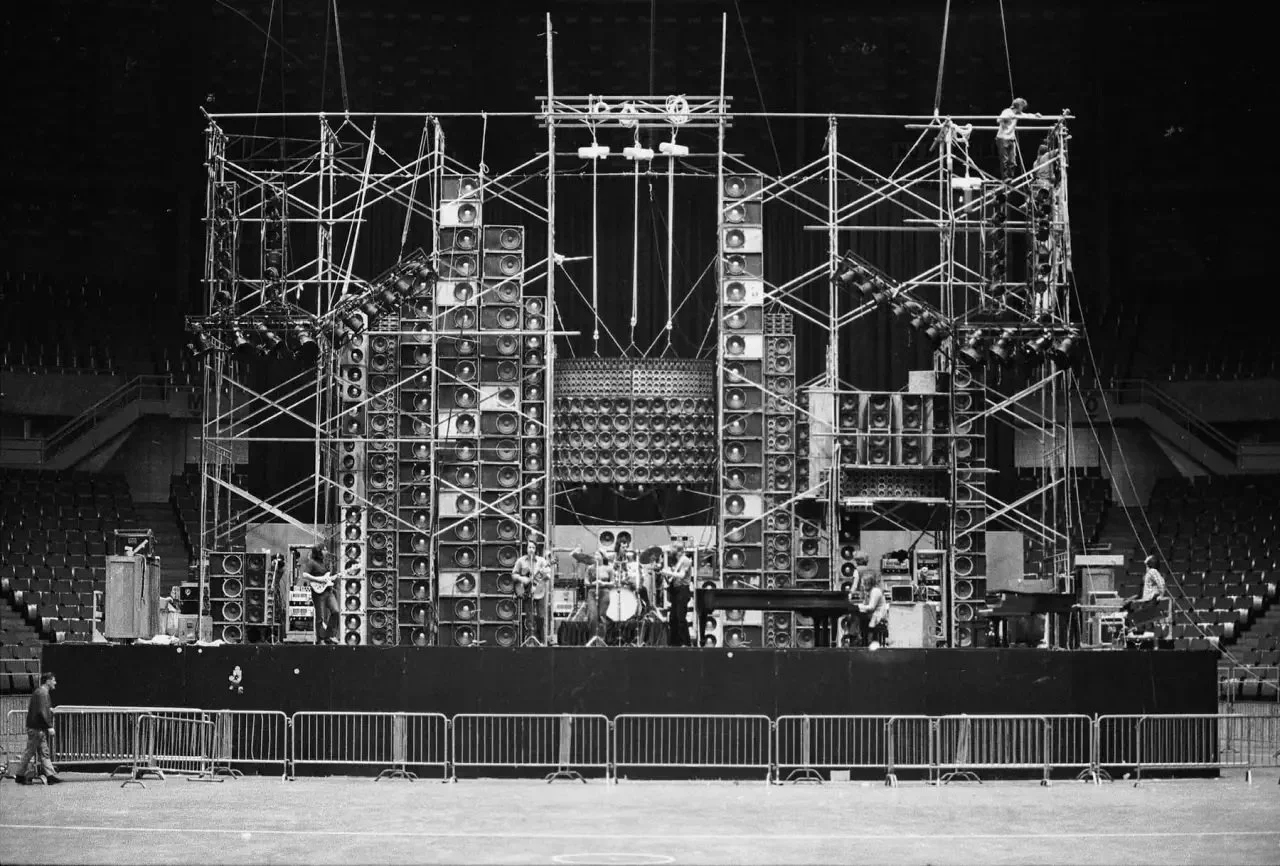
Imagine standing in front of a three-story wall of speakers, surrounded by thousands of Deadheads, hearing Jerry Garcia and the Grateful Dead in a way no concert audience had ever experienced before. In 1974, the Grateful Dead did something almost unthinkable when they took a 75-ton sound system on tour. Known as the Wall of Sound, this massive engineering experiment wasn't simply about being louder. It was about changing the live music experience, delivering incredible clarity across an entire concert field, and pushing the boundaries of what a touring band could do.
It was ambitious, expensive, complicated, and completely legendary. More than 50 years later, the Wall of Sound remains one of the most fascinating chapters in Grateful Dead history. Here's how the band built it, hauled it, and brought it to life.
A wall built for the whole field
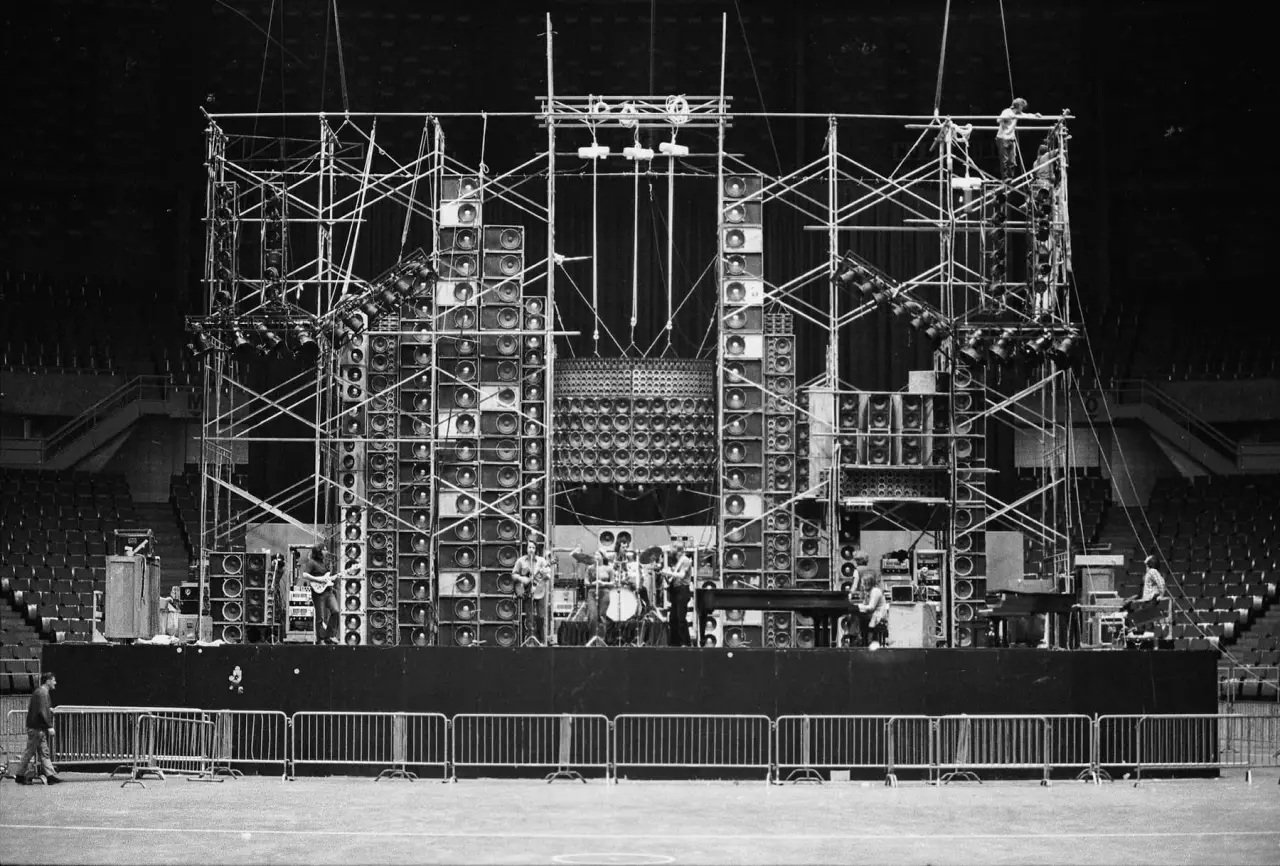
Photo courtesy: RELIX
The Wall wasn’t just about making a concert louder. The band wanted the music to reach the crowd with remarkable clarity and consistency, so people across the field could share a more even listening experience.
The system made its debut at the Cow Palace on March 23, 1974, at a show billed “The Sound Test.” At its peak, the towering setup stood more than three stories high and used around 600 speakers. “Same volume” captures the Wall’s big idea, to make the sound feel more even across the field, rather than blasting the folks up front and leaving everyone else straining to hear. It wasn’t literally identical decibels at every spot. But the goal was bold, generous, and very Dead in order to make the show feel like it belonged to everybody.
The sound crew deserves a standing ovation
A mountain of speakers doesn’t set itself up. The Wall depended on a crew of engineers and roadies who hauled, assembled, tuned, and managed the system from stop to stop. It was a massive undertaking, and the people behind the boards were every bit as essential to the experience as the musicians onstage. So next time the mix sounds sweet from the back of the lawn, raise a grateful thought to the people making it happen.
A legendary sound, with a legendary footprint
The Wall traveled with the Dead through 1974, including the band’s October farewell shows at Winterland. But that kind of scale came with a price: hauling and setting up the system was expensive and demanding. The Dead eventually retired the Wall, but its story kept rolling, through fan memories, old recordings, and the continuing fascination with what a band can build when it follows a big idea all the way. Know your history, wear the history
The Wall of Sound was more than an impressive piece of concert history. It represented the Grateful Dead's willingness to push boundaries, experiment, and create something fans had never experienced before. That same spirit is what keeps the music, the memories, and the community alive today. Because being a Deadhead isn't just about the shows you've seen. It's about the music, the people, and being part of something that never really ends.
11 Fun Facts That Prove Jam Band Fans Keep Stats Like Sports Nerds
Get ready to celebrate a special jam band talent, which is enjoying a spontaneous, unpredictable show while somehow remembering exactly when a song appeared. We love that about this scene. Jam band fans know the music is supposed to wander, surprise you, and occasionally make you wonder whether that was a tease of another song or just a very convincing bass line. And yet, plenty of fans also keep track of setlists, song gaps, debuts, segues, and other details with the focus of a championship-stat crew.
Here are thirteen fun facts about how some live music lovers turn the unquantifiable into friendly conversation, and, sometimes, a spreadsheet.
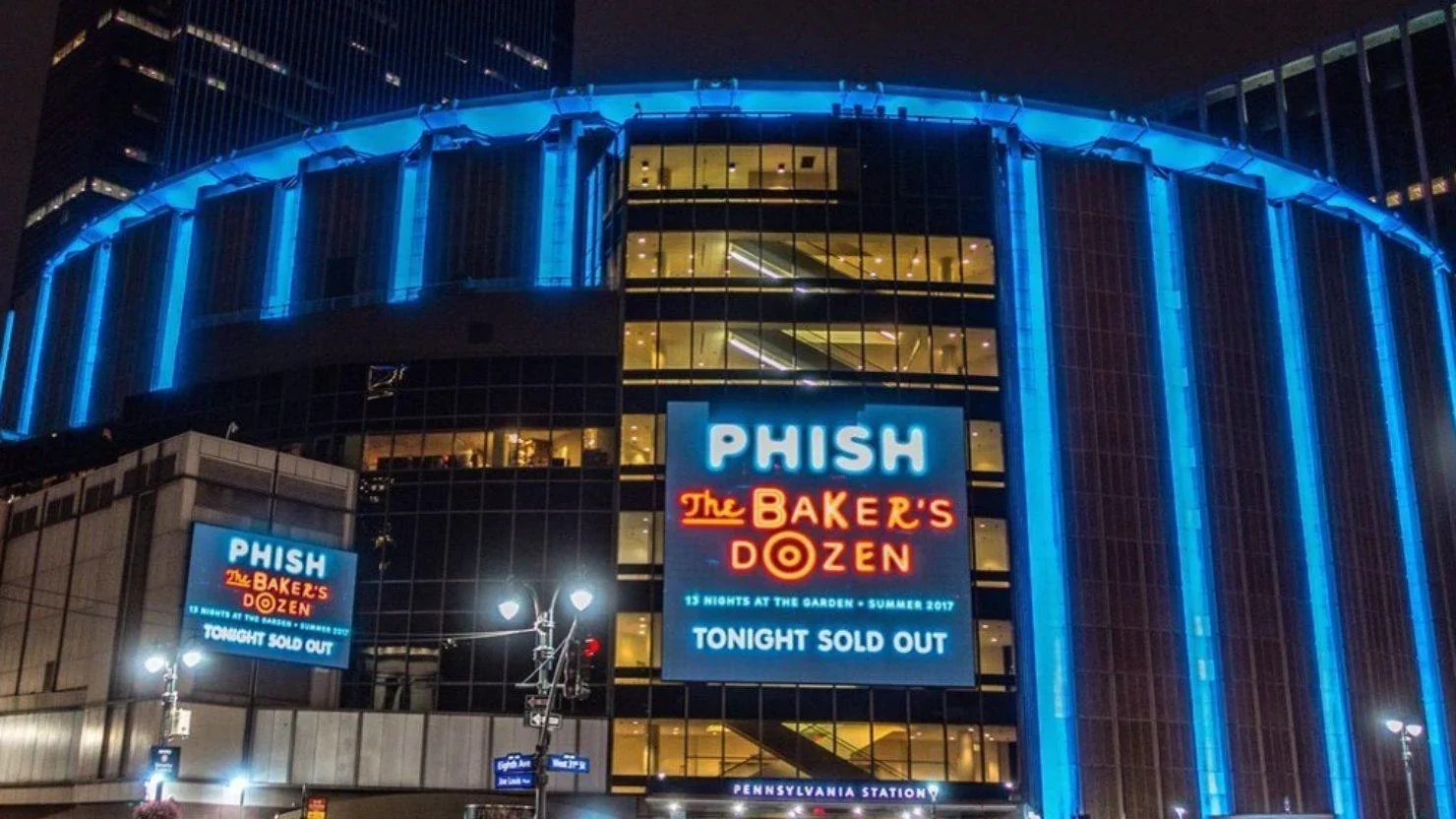
Photo courtesy: Jambase
1. Phish played 237 different songs during the Baker’s Dozen
Phish’s 2017 Baker’s Dozen residency at Madison Square Garden featured 13 shows and 237 songs, with no song repeated across the run. The band’s announcement of the live release confirms the headline number, and The New York Times covered the ambitious no-repeats plan.
Thirteen shows, nearly two hundred and forty songs, and no nightly “well, we played that one yesterday.” That’s a remarkable bit of planning for a band whose whole appeal includes not knowing exactly where the music will go.
2. “You Enjoy Myself” has been played more than 600 times
Phish’s “You Enjoy Myself” has been performed well over 600 times. Setlist databases put it at or near the top of the band’s most-played songs with one current count listing it played over 628 performances.
That’s a lot of chances to hear the song take its own scenic route. For fans, the number is impressive, but it’s also a reminder that the same tune can feel fresh in a new room, on a different night, with a different stretch of improvisation.
You can check the rolling counts on MySetlists and Setlist Lizard. Like any live-music database, totals can vary depending on how the site defines and counts performances.
3. “Runaway Jim” once stretched to almost an hour
On November 29, 1997, Phish played a famously expansive “Runaway Jim” at Worcester Centrum. JamBase times it at 58:48; other listings differ by about a second. Either way, that is a long time for one song, and a short time for someone explaining the whole thing to a friend the next morning.
The show appears in Phish’s official tour archive and on Phish.net. Calling it the longest documented “Runaway Jim” jam is the careful version while “the jam that made your watch ask if you’re still listening” is the fan version.
4. Grateful Dead fans have documented some truly long gaps
Take “Box of Rain.” Grateful Sets records a 776-show gap between performances on July 28, 1973, and March 20, 1986. That’s not just a “haven’t heard it in a while” situation. That’s enough time for the conversation to acquire its own lore.
These figures come from setlist records and depend on the database’s show listings and counting methods. Still, they’re a great example of how a song’s history can become part of the experience: the tune returns, fans notice, and the gap becomes another piece of the story.
5. A familiar segue can be as satisfying as a familiar score
Some setlist details aren’t about how often a song appears. They’re about what happens next. “China Cat Sunflower” flowing into “I Know You Rider” is a classic example of songs connected by a live transition that listeners recognize and anticipate.
Researchers who analyzed Grateful Dead setlists found recurring patterns in song sequences and in the extended, segue-heavy character of second sets. In other words, fans who talk about a favorite pairing aren’t just making it up as setlists offer plenty to explore.
6. Tape trading helped build a community archive
Long before everyone had a setlist app in their pocket, Grateful Dead fans shared recordings through tape trading. The practice helped listeners revisit shows, compare performances, and pass along the excitement to people who weren’t in the room.
The band established an official taping section behind the soundboard in 1984, and Dead.net’s history of taping describes the community and etiquette that grew around recording and sharing shows. The tapes were more than a way to hear the music again. They were part of how fans connected.
7. Billy Strings has three Grammys and plays around 200 shows a year
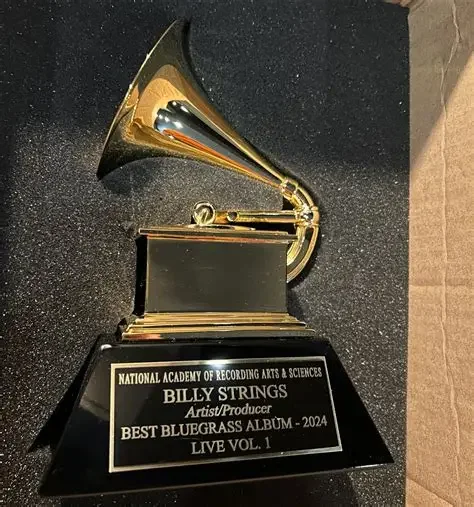
Photo courtesy: Billy Strings
Bluegrass and jamgrass fans keep score too. Billy Strings has won three Grammy Awards for Best Bluegrass Album: Home (2021), Live Vol. 1 (2025), and Highway Prayers (2026). His 2024 album Highway Prayers also hit No. 1 on Billboard's all-genre Top Album Sales chart, the first bluegrass album to do that in more than 20 years.
The touring stat might be the most jaw-dropping one: he's known for playing nearly 200 shows a year. For anyone who has ever described a two-night run as “a lot,” Billy has quietly redefined the schedule.
8. Widespread Panic owns the Red Rocks sellout record
Widespread Panic holds the record for the most sold-out performances by a single act at Red Rocks Amphitheatre, reaching their 78th consecutive sellout in June 2026. That's 78 straight nights of filling one of the most famous amphitheaters on Earth. The band was also inducted into the Colorado Music Hall of Fame in 2026.
One more number worth knowing: in 1998, the band celebrated their Light Fuse, Get Away album release with a free hometown show in Athens, Georgia, that drew an estimated 100,000 fans.
9. “Eat a Peach” came from one very Georgia quote
The Allman Brothers Band named their 1972 album Eat a Peach after a Duane Allman quote: “Every time I'm in Georgia, I eat a peach for peace.” A near-miss alternate title, “The Kind We Grow in Dixie,” was rejected, and honestly, the peach was the right call.
The band's stats case rests on At Fillmore East, the live album that showed how rock improvisation could work like jazz with two lead guitars interlocking, plus two very different drummers in jazz-rooted Jaimoe and hard-driving Butch Trucks. It became rock's definitive live template, and half the jam scene has been studying it ever since.
10. The numbers show why no two setlists have to feel alike
A scholarly analysis of Grateful Dead setlists from 1972 to 1995 examined 1,590 shows and 28,904 song plays. That’s a lot of musical history to sort through, and, as the researchers observed, song appearances weren’t evenly distributed. Some songs came around often, while others were much rarer.
That unevenness is part of the fun. You can walk into a show with a favorite in mind, hear something you didn’t expect, and leave with a new song to chase. The stats don’t flatten the mystery; they give fans another way to appreciate it.
11. The best stat is still “I was there”
There are plenty of numbers to compare like songs played, longest jams, longest gaps, show counts, and the number of times your favorite made the setlist. But the most meaningful detail can’t really be entered into a database which is where you were when the band played it, who you were standing beside, and what the night felt like.
That’s the beauty of jam-band fandom. You can get lost in the details, compare setlists, track statistics and remember every show, all while never losing sight of what brings us together in the first place which is the music, unexpected moments, friendships and shared experience of being there.
Having spent plenty of time in the festival and jam band scene ourselves, we know it's about so much more than keeping score. So here's to the setlist savants, the tapers, the road warriors, the longtime followers and everyone who simply shows up and lets the music take them wherever it goes. The stats are fun, but nothing beats being there when it all comes together.
2nd Annual Shakedown Jam: A Park Circle Block Party
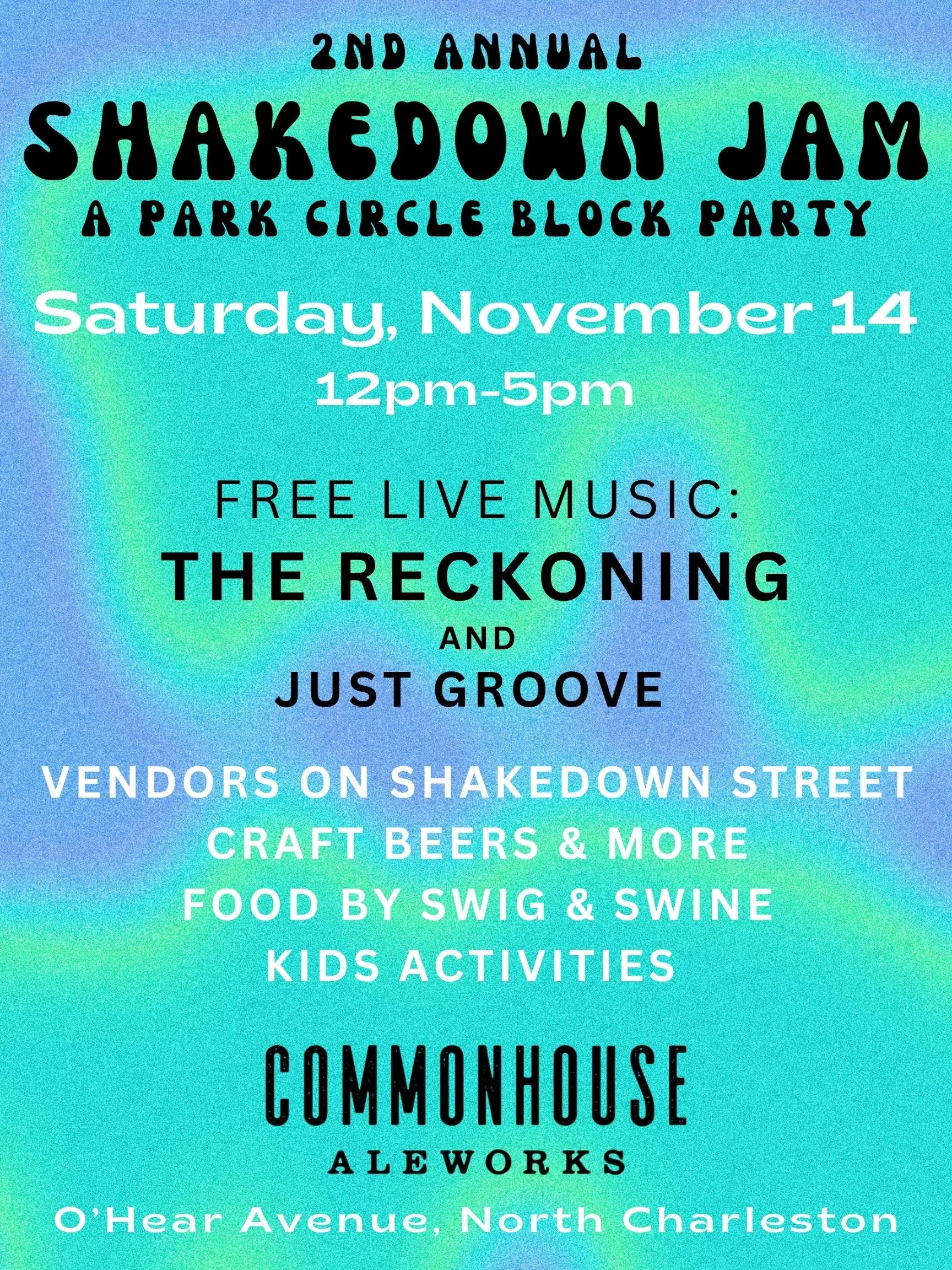
Shakedown Jam is back for its 2nd Annual Park Circle Block Party on Saturday, November 14th from 12-5pm.
FREE LIVE MUSIC:
-THE RECKONING bringing the Grateful Dead tunes to the courtyard stage from 1-4pm
-Robert Corbett’s JUST GROOVE playing funky jams from 12-1 and 4-5pm
SHAKEDOWN STREET VENDORS:
We’re closing the street in front of Commonhouse Aleworks and along the alley to feature these vendors:
Drifter Merch, Grateful Fred, Rock 'n Roll Wall Wood, Dockside Engraving, Shambles Boutique, The Paint Pixie, Grateful Seams, Bulls Bay Saltworks, Arnie’s Tie Dyes, Homey's Head Vibes, Bright Star Designs, Cannon Street Apothecary, Brass Earth, Reba's Dancing Dyes, The Stono Soul, Kind Creations Supply Co., Lizard Glass Design, Solutions, Zosh Gift Shop, and Herban Tapestry.
NON-PROFIT:
Rock 'n Roll Rescue, a Lowcountry nonprofit that is dedicated to providing children access to music education by supplying instruments and resources that foster creativity.
Grab your friends, bring the kids, come hungry and thirsty, shop the scene, dance to the music, support a local nonprofit, and enjoy the good vibes in Park Circle.
Cotton vs. Poly-Cotton: Why We Print Our Custom Tees on the Blend That Stays Soft
Get ready to think beyond the design on the front of your custom tee. The fabric matters, too, especially if you want a shirt that feels good at the show, on the drive home, and years later when that familiar favorite comes out of the drawer.
At Drifter Merch, we often prefer poly-cotton blends for custom tees because they balance a soft, comfortable feel with reliable shape retention. They’re less likely to shrink than a comparable 100% cotton shirt, and they tend to feel smooth and easy to wear rather than stiff. But cotton has its own appeal, especially if you love the classic vintage band tee feel. Here’s how the two fabrics compare and how to choose the right one for your next custom order.
What’s the difference between cotton and poly-cotton?
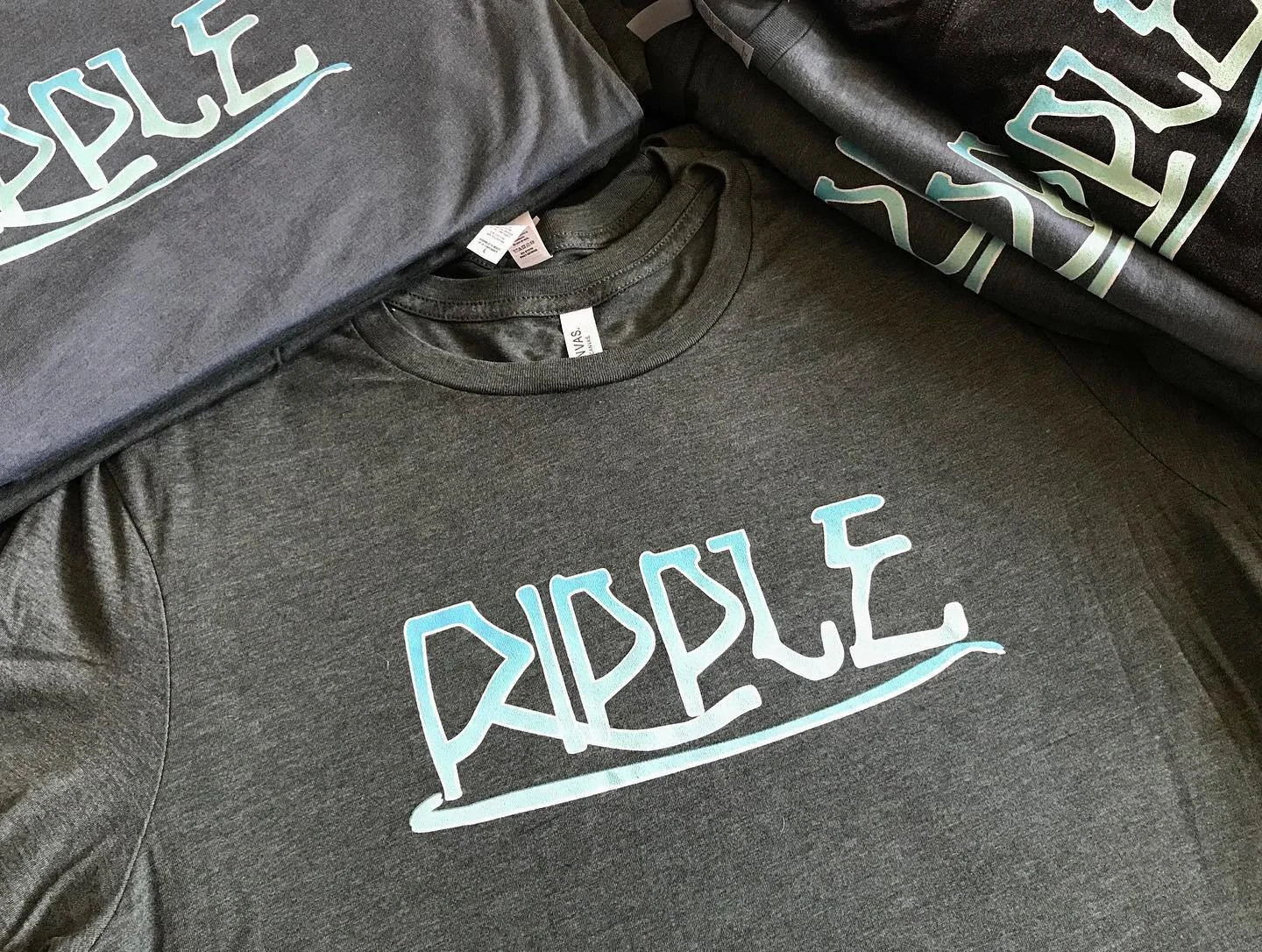
A 100% cotton tee is made entirely from cotton fibers. A poly-cotton tee blends cotton with polyester. The exact ratio varies by garment, and that ratio can affect how the shirt feels and performs. A blend with more cotton may feel closer to a traditional cotton tee; more polyester can contribute to durability and shape retention.
There’s no single “best” fabric for every person or project. The right choice depends on what you want your shirt to feel like, how you plan to wear it, and what you’re printing on it.
The case for 100% cotton
Cotton has earned its place as a classic t-shirt fabric. It’s breathable, absorbent, and familiar against the skin. If you love the feel of a well-worn vintage concert tee, cotton may be the sensation you’re after. It’s also a natural match for the worn-in look of classic music merchandise.
That beloved vintage feel does come with trade-offs. Cotton can shrink in the wash, especially with high heat, and heavier cotton shirts can feel more structured or stiff than you’d like. A 100% cotton tee may also wrinkle more readily than a blend.
If your top priority is a natural, cotton-forward feel, a good cotton shirt can be a great choice. Just follow the garment’s care instructions and be mindful of heat if you want to help preserve its size.
Why we often reach for poly-cotton
A poly-cotton tee brings together the comfort of cotton and some of polyester’s practical benefits. We like the way a quality blend can feel soft and smooth, with an easy drape that doesn’t feel stiff or overly heavy. It’s the kind of tee you can move in, whether you’re hauling gear, catching a set, or wandering the festival grounds with friends.
Blends also tend to hold their size and shape better wash after wash than comparable 100% cotton garments. They’re generally more resistant to shrinkage and wrinkling, though results depend on the specific fabric, garment construction, and how you care for it. No shirt is completely shrink-proof, so check the care label and avoid excessive heat when you can.
That dependable fit is a big part of the appeal. The tee you reach for years later is the one that still feels comfortable and fits the way you remember, not just the one with the coolest graphic.
Does the blend change how a print looks?
The fabric is part of the finished shirt, but printing method and care matter, too. A well-made poly-cotton garment can be a great canvas for custom apparel, including band merch, school shirts, festival tees, and event gear. The blend’s shape retention can help the garment keep its fit over time, while proper printing and care help the design stay looking its best.
For classic graphics in a limited color palette, screen printing is a popular choice. We can screen print designs with up to 8 colors, making it a strong fit for bold artwork, clear lettering, and vintage-inspired designs. If your artwork needs photo-like detail, gradients, or more than 8 colors, DTF may be the better route. DTF transfers the design onto the garment, while screen printing applies ink through a mesh screen. Each method has its own look and feel; you can learn more in our guide to DTF vs. screen printing.
Which fabric should you choose for a custom order?
Think about the people who’ll wear the shirts and what you want them to remember. Here’s a simple starting point:
Choose 100% cotton if you want a classic cotton hand, a breathable feel, and the familiar character of a traditional tee. It’s a great option for fans who love that natural, vintage-inspired feel.
Consider poly-cotton if you want a soft, smooth shirt that’s less likely to shrink or wrinkle and tends to hold its shape through regular wear. It’s a comfortable pick for a busy event or a tee you hope people will keep in rotation.
Ask about the specific garment if softness, fit, or weight is especially important. “Poly-cotton” covers many blends, so the ratio and construction make a difference.
For bands, schools, festivals, and event organizers, the shirt isn’t just a giveaway or a merch-table item. It becomes part of the experience. Maybe it’s the tour tee a fan wears on the next road trip, the volunteer shirt someone keeps long after the festival wraps, or the school design that turns into a favorite weekend shirt. Comfort gives people one more reason to keep it close.
A few care habits that help your tee last
The care label is your best guide, because different garments and blends can have different instructions. As a general habit, washing with similar colors and avoiding excessive heat can help preserve the fit and feel of your shirt. Turning a printed tee inside out before washing can also help protect the graphic from rubbing against other items. When in doubt, follow the garment’s specific care directions.
And remember that fabric is only one part of the finished product. The blank, the artwork, the printing method, and how the garment is cared for all contribute to how a tee looks and feels over time.
Comfort you’ll want to wear again
Cotton is the timeless classic with breathable, familiar, and closely tied to the vintage tees music fans treasure. Poly-cotton brings a different set of strengths. We often prefer it for custom tees because a quality blend can feel soft and comfortable without the stiffness some people associate with heavier cotton, while generally holding its size and shape better through repeated wear and washing. That said, we can special order any blend for you, just ask.
We want custom merch to feel right from the first show to the many adventures that follow. If you’re planning tees for your band, school, festival, business, or next big event, bring your design to our custom orders page. We’ll help you choose a garment and printing approach that fits your project, and make something your community will be glad to wear!
Skinful Halloween 2026: Charleston's Biggest Costume Party is Back!
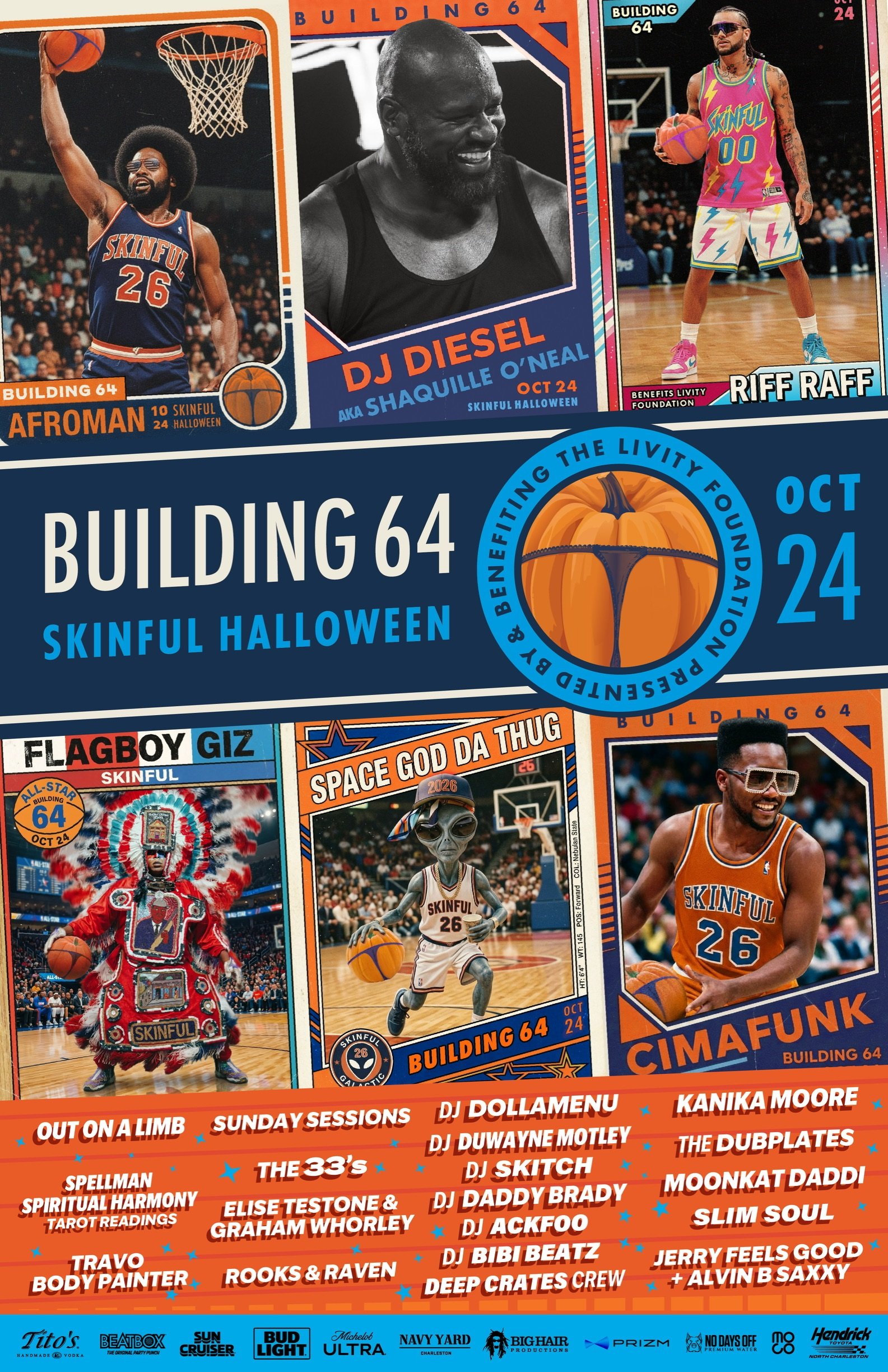
Get your costume ready, Charleston! Skinful Halloween takes over Building 64 on Saturday, October 24, for a full-throttle night of music, dancing, and Halloween creativity. From 7 p.m. to 2 a.m., the North Charleston Navy Yard warehouse transforms into a costume-filled party with a heavyweight lineup and plenty of room to dance.
The event is 21 and up, and costumes are required, so bring your imagination and make your look part of the fun. Use promo code DRIFTER at checkout for $20 off tickets.
The Skinful Halloween 2026 Lineup
This year’s bill brings together artists with very different sounds and plenty of personality:
DJ Diesel, the DJ persona of Shaquille O’Neal, is set to bring big-room energy to the dance floor.
Afroman brings his unmistakable, humorous take on hip-hop.
Riff Raff adds his colorful, left-of-center style to the mix.
Cimafunk blends funk, Afro-Cuban rhythms, and a vibrant live-show sensibility.
Flagboy Giz brings Indigenous hip-hop and Mardi Gras Indian influences to the lineup.
The event listing also promises 20 musical acts across four stages, alongside circus acts, dancers, and performance artists. That’s a lot to take in under one roof, so expect a night where the sights and sounds keep changing as you make your way around Building 64.
Use promo code DRIFTER for $20 off tickets and get ready for a night of wild vibes and unforgettable entertainment.
What to know before you go
A few practical details can help your night go more smoothly:
Sort out your ride ahead of time. Make a plan for getting to and from the Navy Yard, especially if your costume includes props or extra layers.
Check the ticket and event pages before you leave for the latest information and event policies.
Bring a card. Building 64 operates as a cashless facility.
Keep your costume comfortable. You’ll have hours of music and dancing ahead, so think about shoes, layers, and anything you might need to move around safely.
Check the lineup and details for updates. Artist lineups and event information can change, so confirm close to the date.
All proceeds from Skinful Halloween benefit The Livity Foundation, a non profit organization that inspires conscious living by producing cultural arts programming that elevates the arts, athletics, wellness, and care for our planet, and by funding like-minded community organizations.
Charleston’s music community knows how to bring the weird, the wild, and the wonderfully heady together for a night to remember. So start dreaming up your most spirited look, gather your crew, and get ready to get spooky at Skinful Halloween at Building 64.
Phish NYE, Goosemas, Christmas Jam, Panic Halloween, and Billy Strings Fall Dates: The Jam Shows You Can't Miss This Season
Get ready to trade golden leaves for arena lights as the late Fall and holiday jam calendar is packed with nights worth planning around. Billy Strings brings high-octane picking to Tennessee and Alabama, Widespread Panic has a Milwaukee run followed by Halloween in New Orleans, Goose keeps its Goosemas tradition rolling in Atlantic City, Warren Haynes stacks Christmas Jam with an all-star lineup in Asheville, and Phish is closing the year with four nights at Madison Square Garden, including a major milestone.
Here’s your fan-to-fan guide to the dates, the settings, and the very different flavors of live music ahead. As always, check the artists’ official pages for the latest ticket details before making the trip.
Billy Strings: Four Southern nights, then a special benefit
Billy Strings’ fall dates bring his fast-moving blend of bluegrass, rock, and fearless improvisation to two Southern cities. If you’ve seen Billy live, you know the acoustic instruments can move at arena-rock speed, and a tune can take a sharp turn before you’ve caught your breath.
Don’t-miss dates:
October 20–21: Tivoli Theatre, Chattanooga, Tennessee
October 23–24: The Orion Amphitheater, Huntsville, Alabama
The run moves from Chattanooga’s Tivoli Theatre to Huntsville’s Orion Amphitheater just two days later. Be sure and hit the awesome ShakeBoth stops are listed as sold out, so check the official listing for any updates or waitlist options.
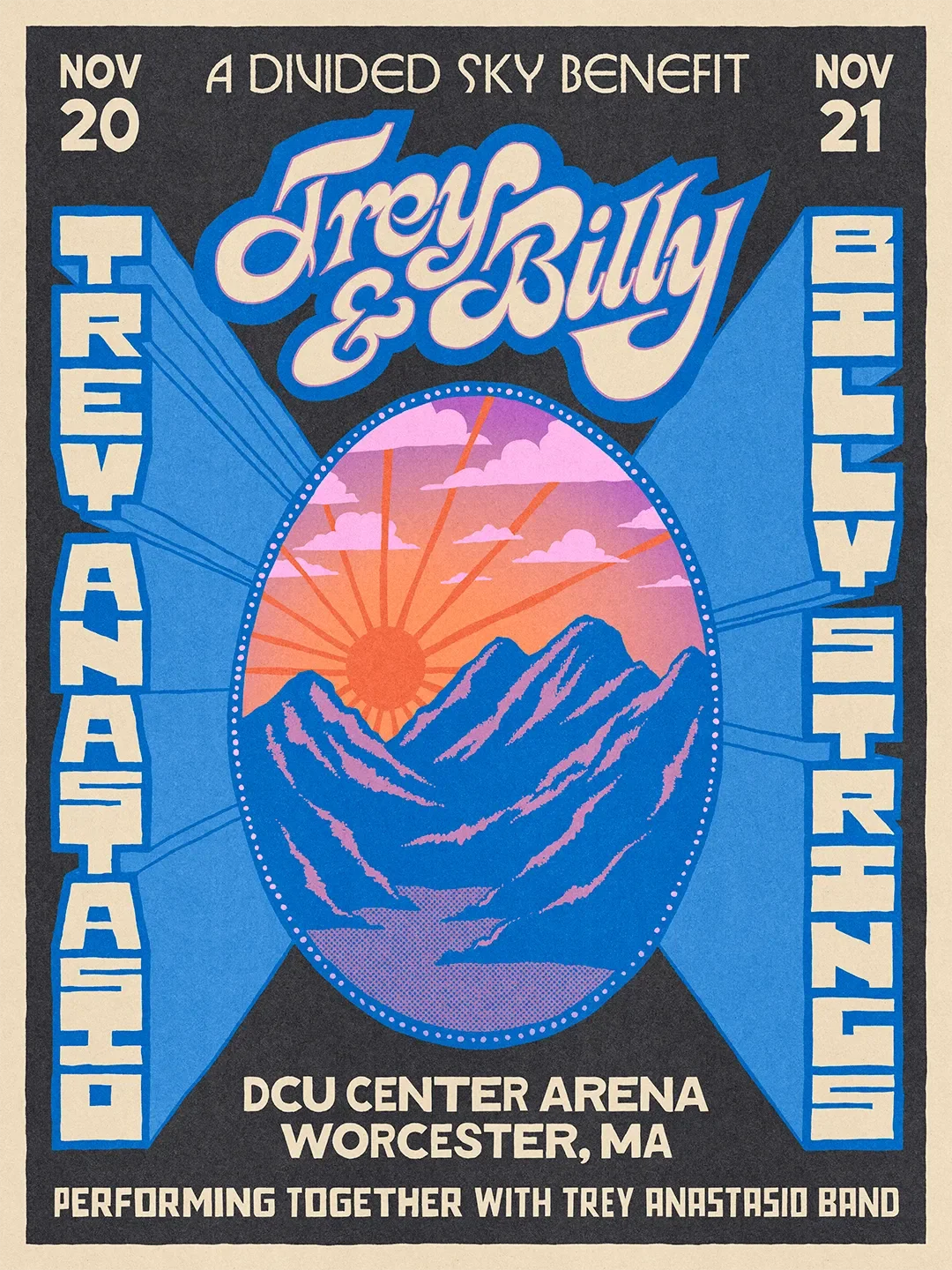
There’s another important date on Billy’s calendar, the Divided Sky Benefit with Trey Anastasio on November 20–21 at the DCU Center Arena in Worcester, Massachusetts. Trey Anastasio Band will back both artists for the two concerts, with all proceeds benefiting the Divided Sky Foundation. The foundation supports people seeking care for addiction through its recovery program in Vermont.
The vibe: Two nights of nimble picking and big improvisational energy in the South, followed by an unusually special collaboration in Worcester. The benefit is a chance to hear Billy and Trey share the stage while supporting a meaningful cause. Find event details at Trey’s benefit page.
Widespread Panic: Milwaukee weekend plus New Orleans Halloween
Panic fans get a double dose of fall road-trip energy: three nights at Milwaukee’s Riverside Theater, then Halloween in New Orleans. It’s a satisfying one-two punch, moving from a theater run in the Midwest to a holiday weekend in the Big Easy.
Don’t-miss dates:
October 23–25: The Riverside Theater, Milwaukee, Wisconsin
October 30–31: UNO Lakefront Arena, New Orleans, Louisiana
The Milwaukee run lands Friday through Sunday. All three dates are listed as sold out, so keep an eye on official channels for ticket updates. If you’re heading to New Orleans, Panic’s Halloween shows fall on Friday and Saturday at Kiefer Lakefront Arena aka UNO Lakefront Arena.
The vibe: Milwaukee brings the appeal of a full weekend with one band in one room, three chances to settle into the groove and let each night unfold on its own. Then New Orleans adds the holiday setting: two nights of Panic in a city that knows how to make a late-October weekend feel like an occasion. Costumes may be part of the scene, but the main attraction is the music.
Goosemas: The 13th annual holiday tradition lands in Atlantic City
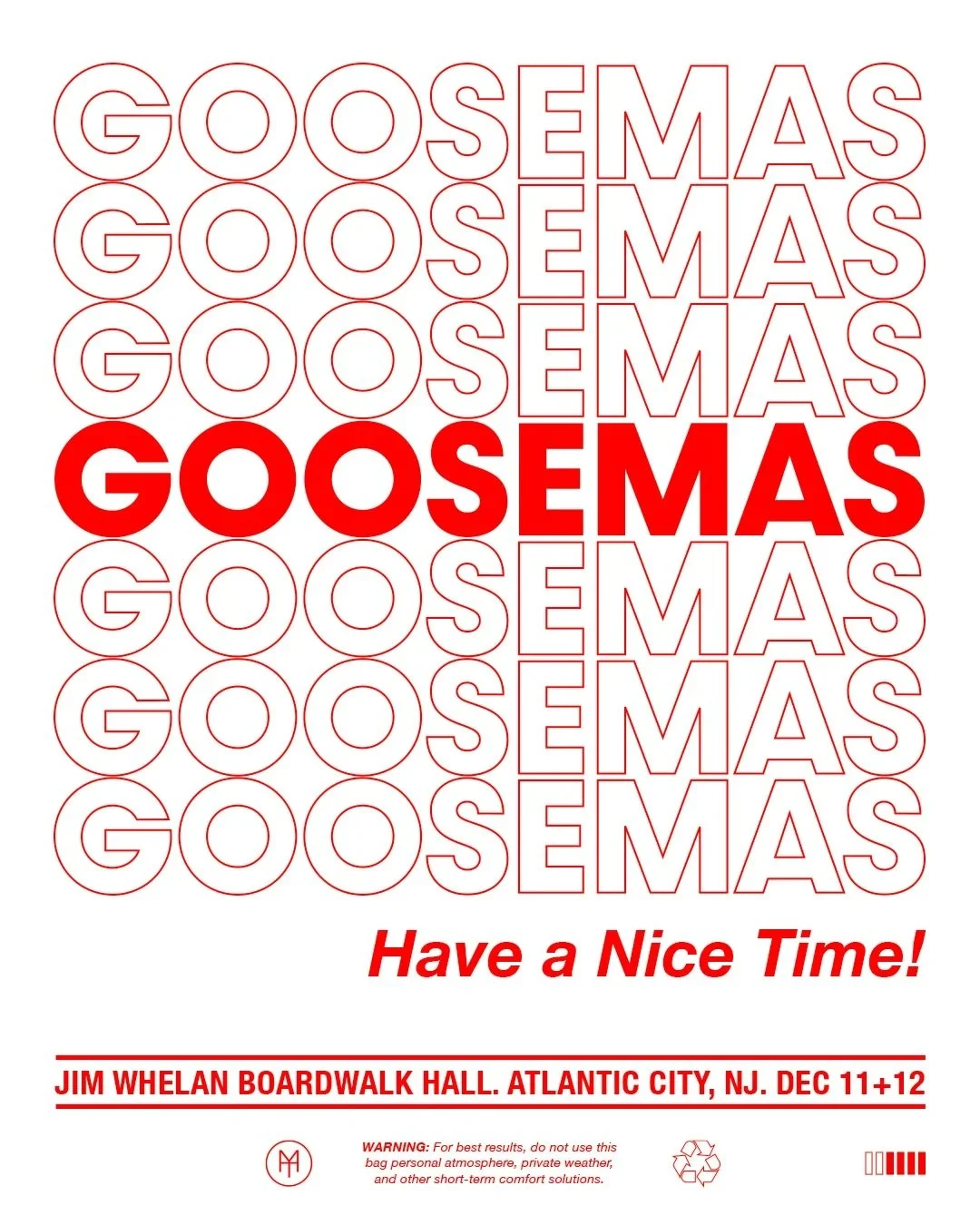
For Goose fans, December means one thing: Goosemas. The band’s annual holiday celebration returns for its 13th year, bringing its signature blend of soaring jams, unexpected setlists, and festive energy to a brand-new destination. A highlight of the band’s touring calendar, Goosemas is more than just a pair of shows, it’s a gathering of fans, a year-end celebration, and a chance to experience the band in a special setting. This year’s festivities promise another memorable chapter in a tradition that continues to grow with the Goose community.
Don’t-miss dates:
December 11–12, 2026
Jim Whelan Boardwalk Hall, Atlantic City, New Jersey
The vibe: Two nights of Goose in full holiday-mode, with the boardwalk as your pre-show territory. Part of what makes Goosemas special is that the band treats it as a celebration built for the fans, often digging deeper into the catalog and making the night feel like its own little event. A new city only adds to the intrigue: nobody, the band included, quite knows what an Atlantic City Goosemas looks like yet.
Christmas Jam: Warren Haynes brings the all-star tradition back to Asheville
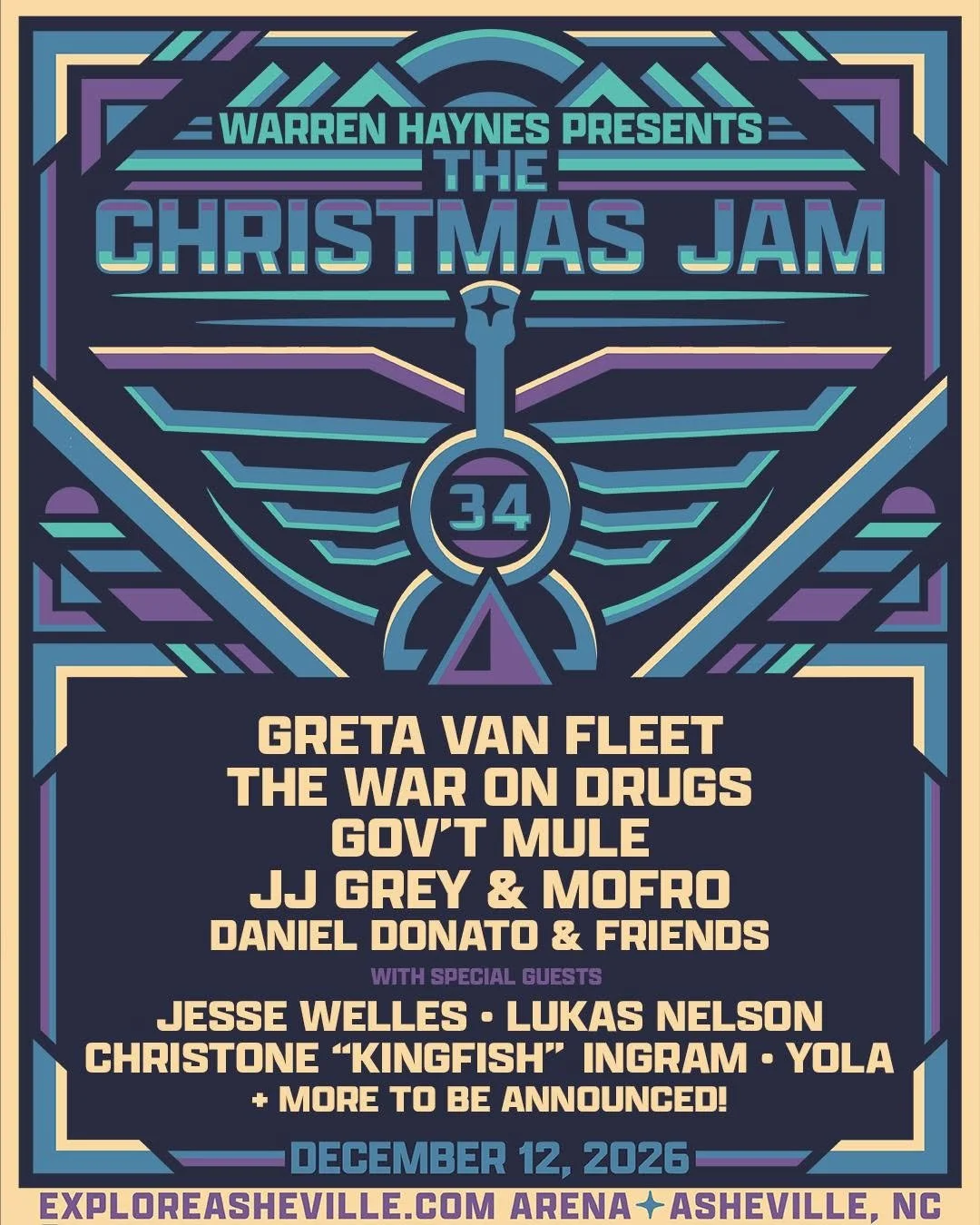
Warren Haynes Presents: Christmas Jam returns to ExploreAsheville.com Arena aka Harrah’s Cherokee Center on Saturday, December 12, 2026, marking the 34th annual edition of one of the longest-running benefit concerts in music.
Don’t-miss dates:
December 12, 2026
ExploreAsheville.com Arena aka Harrah’s Cherokee Center, Asheville, North Carolina
This year’s lineup is stacked: Greta Van Fleet, The War On Drugs, Gov’t Mule, JJ Grey & Mofro, and Daniel Donato & Friends, plus special guests including Jesse Welles, Lukas Nelson, Christone “Kingfish” Ingram, and YOLA. Doors open at 6:00 pm with music starting at 7:00 pm and going late.
The vibe: A long night where anything can happen on stage. Christmas Jam is famous for its one-off collaborations and surprise guest appearances, and with a bill this wide-ranging, the combinations are endless. It all supports a cause too as the event has a long history of giving back through its charitable work for Habitat for Humanity.
Phish: Four nights at MSG, one huge milestone
Phish is bringing its New Year’s tradition back to Madison Square Garden for four shows spanning the end of 2026 and the beginning of 2027. The run goes December 30–31 and January 1–2 with four nights in the same legendary venue, with four opportunities for the band to take the music somewhere new.
The final show carries extra significance: January 2 will be Phish’s 100th performance at Madison Square Garden. That’s a milestone built one night at a time, through decades of big jams, patient listening, and fans making the Garden part of their own New Year’s story.
Don’t-miss dates:
December 30–31, 2026
January 1–2, 2027
Madison Square Garden, New York City
The vibe: Holiday-city buzz, winter coats in the crowd, and the possibility of a different musical journey each night. A four-show run gives fans room to settle in and enjoy the experience one evening at a time.
Fall jam band season is about more than a calendar. It’s the anticipation on the road, the friends you meet between sets, and the way a familiar song can feel brand new in a room full of people listening together. From Billy Strings and Widespread Panic to Goose, Phish, and Christmas Jam, this Fall and Winter offer plenty of reasons to hit the road for live music. Whether you’re planning a Halloween run, a holiday weekend, or a New Year’s trip to MSG, find the shows that fit your schedule, confirm ticket availability, and get ready for the music, the community, and the memories that make every run special.
DTF vs. Screen Printing: What to Know
Get ready to give your artwork the print it deserves. One of the questions we hear most from customers is how to bring a full-color design to life on a shirt, and DTF or Direct-to-Film, is usually part of that conversation, and for good reason. It can capture photo-like detail and vivid color beautifully.
But when the goal is that soft, lived-in band tee you’ll reach for long after the show, screen printing is usually our first choice. The difference isn’t just how the design looks. It’s how it feels when you pull that favorite lot shirt on.
What’s the difference between DTF and screen printing?
DTF starts with a design printed onto a special film. The design is then transferred to the garment using heat and adhesive. Because it doesn’t require a separate screen for each color, DTF can reproduce gradients, fine details, and full-color images without the setup involved in traditional screen printing.
Screen printing uses a mesh screen and stencil to apply ink to the garment. Each color needs its own screen and print pass, and we can screen print designs with up to 8 colors. That extra setup takes more planning for complex artwork which is why minimums exist, but it’s a tried-and-true way to make durable merch with a classic, tactile print.
Both methods can produce great apparel. The best fit depends on what your artwork needs, and what you want the finished shirt to feel like.
Why does DTF feel more like vinyl?
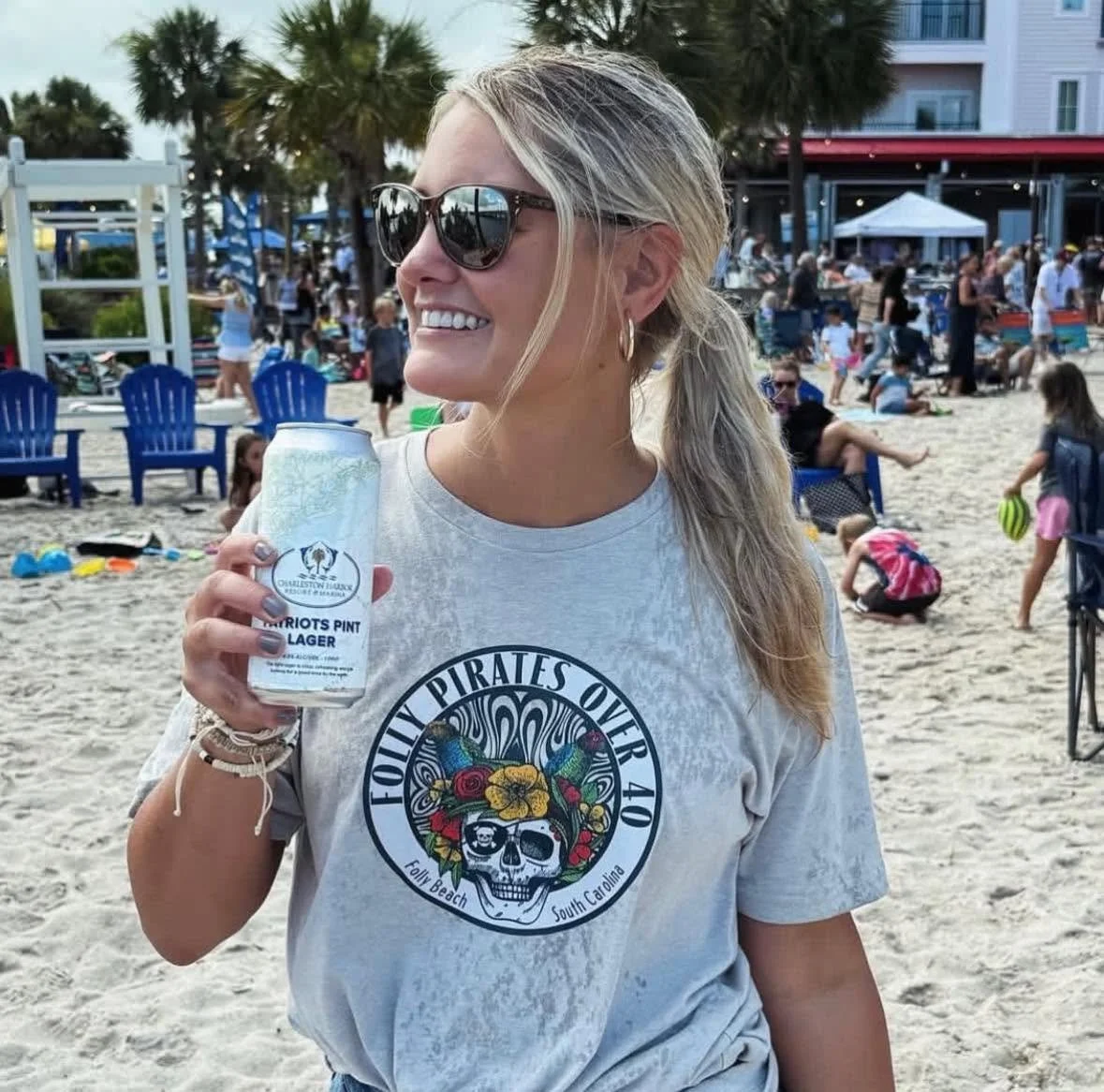
This multicolor print was created with DTF printing.
This is the part you notice right away when you run your hand across a shirt. DTF creates a flexible transfer layer that sits on top of the fabric. It can feel smooth and slightly raised, more like a thin, pliable vinyl layer than ink worked into the shirt.
That finish isn’t automatically a problem. For a compact logo or a detailed, colorful design, a DTF transfer can look sharp and do exactly what the artwork calls for. Modern transfers can also be flexible and durable when they’re produced and applied correctly.
But on a large graphic, the surface feel becomes more noticeable. You may feel the edges of the design, and the printed area can feel warmer or less airy against your skin. If you love the soft, broken-in comfort of an old concert tee, that more substantial, surface-level feel may not be your first choice.
The screen-printed feel fans know
With screen printing, ink is applied directly to the garment rather than attached as a transfer film. The feel varies with the ink, the fabric, and how much of the shirt the design covers. A heavy, solid print can still feel pronounced. But for many classic band tees (especially designs using a few colors and open, breathable artwork) the print has a more natural, fabric-connected hand.
That’s why screen printing is such a good match for vintage-inspired merch. It suits bold lettering, hand-drawn artwork, sunbursts, and the kind of slightly worn-in aesthetic that feels right at a show or on the lot. The graphic becomes part of the shirt’s character, not just a smooth panel placed on top.
Which one works best for full-color designs?
Here’s the simple answer. If your design depends on photographic detail, smooth gradients, or more than 8 colors, DTF is the way to go. Think of a vivid landscape, a detailed collage, or artwork with many small color transitions. DTF can preserve details that screen printing’s 8-color limit simply can’t cover.
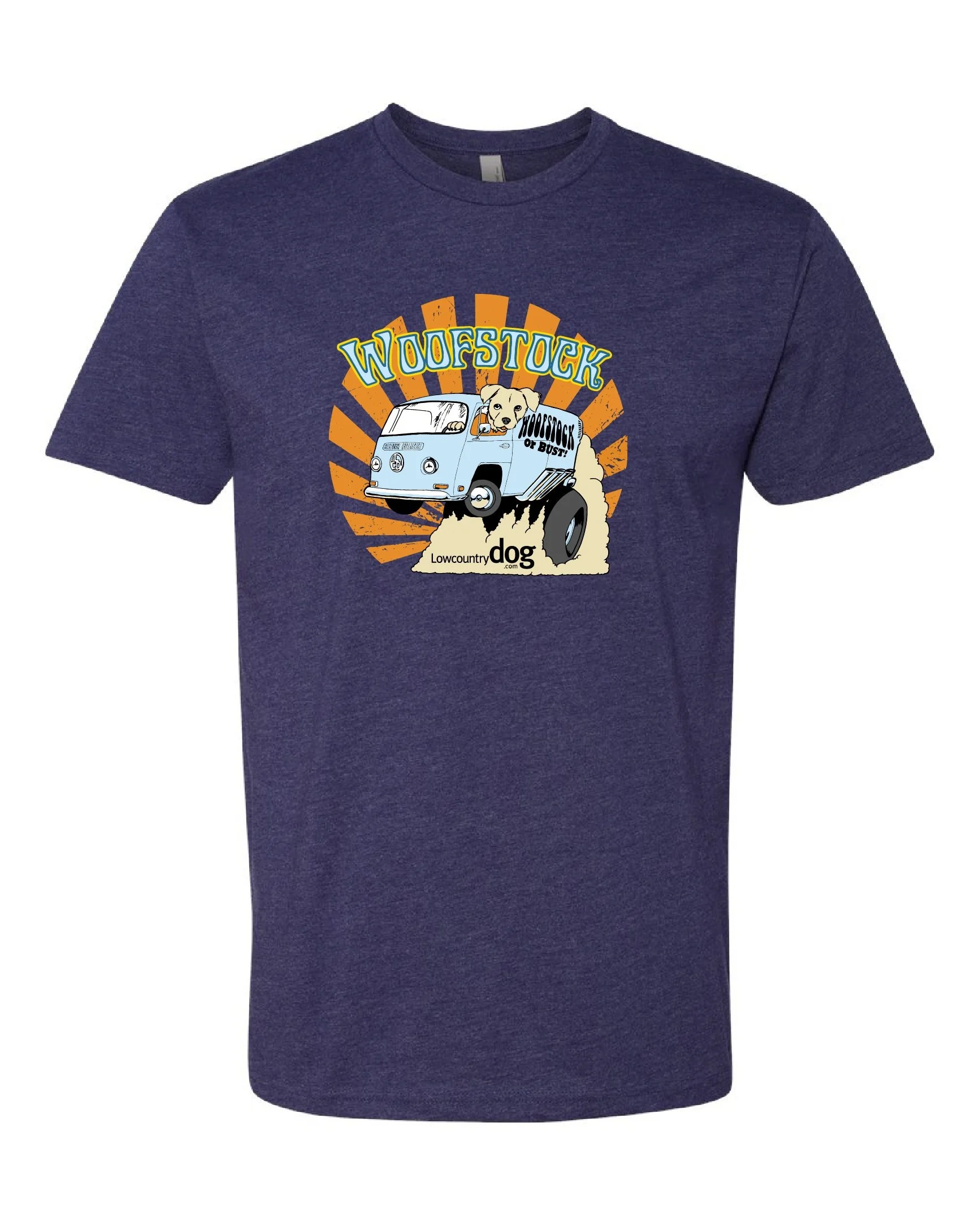
Custom Screen Print with 8 colors
That said, screen printing can absolutely create colorful art within those 8 colors. It’s especially strong when the design uses a controlled palette and clear shapes like three or four punchy colors instead of a photo-realistic image. A well-built 8-color screen print can look rich and layered, and it keeps that soft, authentic hand-feel fans love.
A useful rule of thumb is to choose the printing method that serves the artwork, not just the color count. A full-color design with photographic detail may be a natural DTF project. A bold, limited-color piece made for a tour run may look and feel better screen printed.
So, which method should your design choose?
Picture your artwork finished and hanging on the rack. Is it a large, intricate image with subtle color shifts or more than 8 colors? DTF is the right tool to preserve that detail. Is it a strong, vintage-style graphic meant to feel soft and natural on a cotton tee? Screen printing is likely the better starting point.
For example, a photo-like sunset scene with a dozen blended colors is a natural DTF project. A three-color, hand-drawn design for your next favorite lot shirt is a screen-print standout. And a bold design that stays within 8 colors can go either way; we’ll help you weigh how its size, colors, and garment choice affect the feel and the look.
A few questions to ask before you print
Before you approve a design, ask yourself:
How important is the hand feel? If a soft, breathable shirt is a priority, tell your printer. Screen printing may be the better fit for the look and feel you want.
Does the design rely on fine detail, gradients, or more than 8 colors? Those are strong reasons to consider DTF.
How many pieces do you need? Quantity can change which method makes practical and budget sense.
How large is the print? A small transfer may feel very different from a large, solid image.
What garment are you printing on? The shirt’s fabric and weight influence both comfort and the finished look.
If you’re unsure, bring the design and your goals to your merch partner before production. A good printer should help you weigh the trade-offs, not just say yes to the first method you mention. We get into more of the decisions that shape great merch in our guide to choosing a custom merch partner.
The short answer: let the art, and the feel, lead
DTF gives you a practical way to print vivid, full-color, detailed designs. Its surface can feel smoother and more vinyl-like because the transfer sits on top of the garment. Screen printing is usually our go-to for classic band merch when a soft, breathable, vintage-style feel matters as much as the artwork.
At Drifter Merch, we offer both DTF and screen printing (up to 8 colors), and we love helping you find the right approach for your project. We’ve spent years in music culture, from local events to festivals, and we know merch should feel as good as the memories behind it.
Ready to put your design on a tee, hoodie, or other custom gear? Visit our custom orders page and tell us what you’re making. We’ll help you choose a print method that does your artwork, and your fans, justice!
Women's Concert Tees for 2026: Cuts, Fits, and Band Picks That Work
A concert tee has a job to do. It has to survive a parking lot in July, standing on the floor, a bathroom line, and the drive home, and it still needs to look like you meant it when you pulled it off the hanger. For women especially, the cut and fit can make or break a concert shirt. Most of us have made the same mistake when we buy shirt because we love the print, only to discover at the venue that the cut fights us all night. The fix is simple by choosing the cut first, the fit second, and the band third. Whether you prefer a classic unisex tee, a relaxed fit, a cropped style, or a flowy women’s tank, finding the silhouette that works for you means you’ll actually wear that shirt long after the show. That order keeps a concert tee in rotation for years instead of one season.
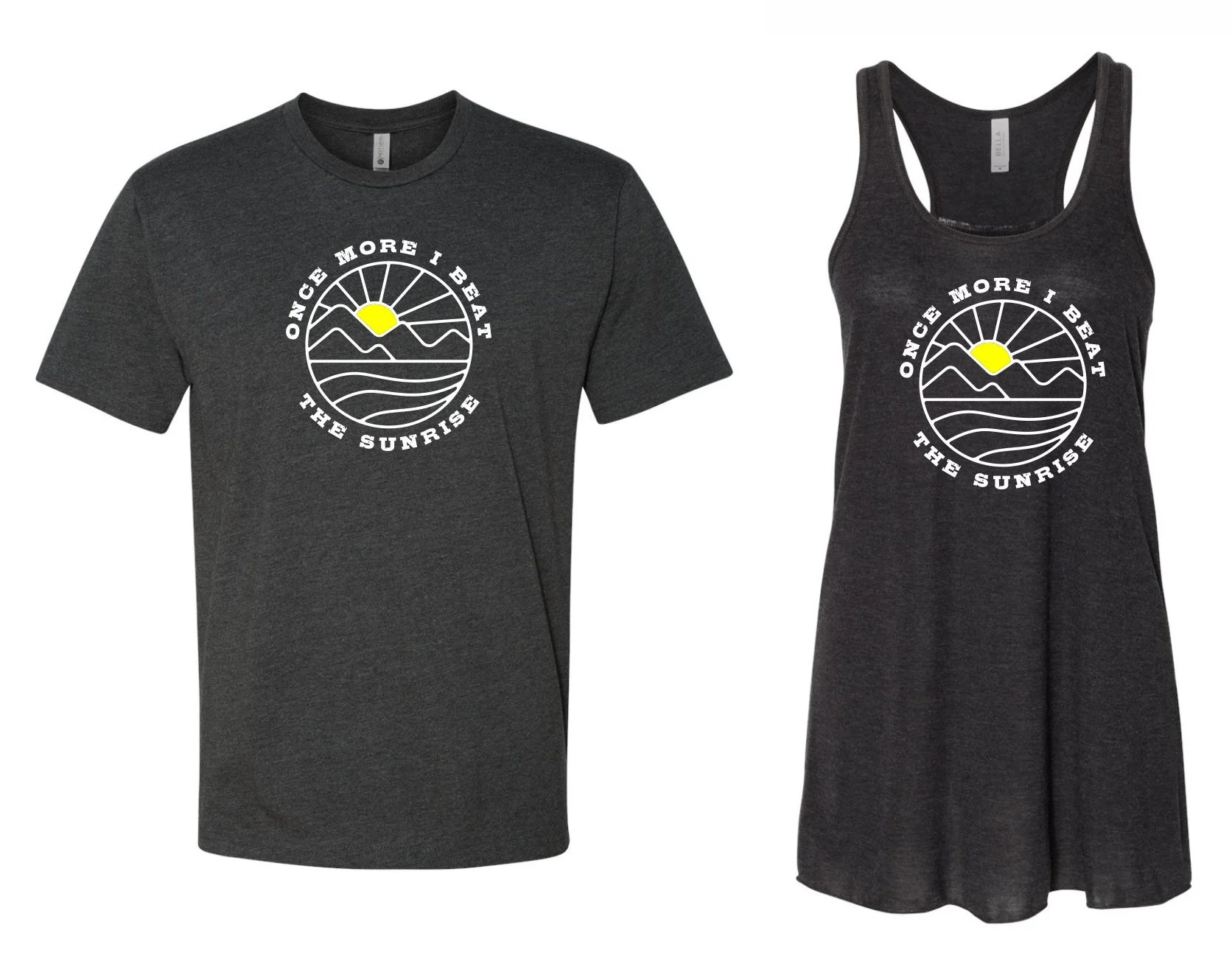
Start With the Cut, Not the Print
The print is what makes you buy a shirt. The cut is what makes you wear it again. Women's concert tees in the current market cover a wide spread of shapes, from fitted crops and tank tops to oversized crew necks, and each one behaves differently under stage lights and in a packed crowd. Knowing which silhouette you actually reach for makes shopping faster and returns rarer.
Cropped and Boxy Cuts
A cropped band tee sits at or just above the waistband and pairs naturally with high-rise denim, cutoffs, or a flowy midi skirt. The boxy version skips the waist shaping and drops straight from the shoulder, which keeps air moving when the floor gets hot. It also layers well over a tank when the venue's AC freezes you.
Classic Crew Necks and Relaxed Necklines
Standard unisex crew neck graphic band tees remain the workhorse of the category. Retail searches turn up plenty of options with crew necks and pullover styling in sizes XS through 3XL, with bold designs and bright colorways doing most of the visual work. If a crew neck feels stiff against your collarbone, look for a wider or scooped neckline instead. Our favorite is the Next Level flowy scoop neck, even though they limited the color selection. A small change in the neck opening can shift a shirt from something you tolerate to something you grab first.
Sleeveless and Tank Shapes
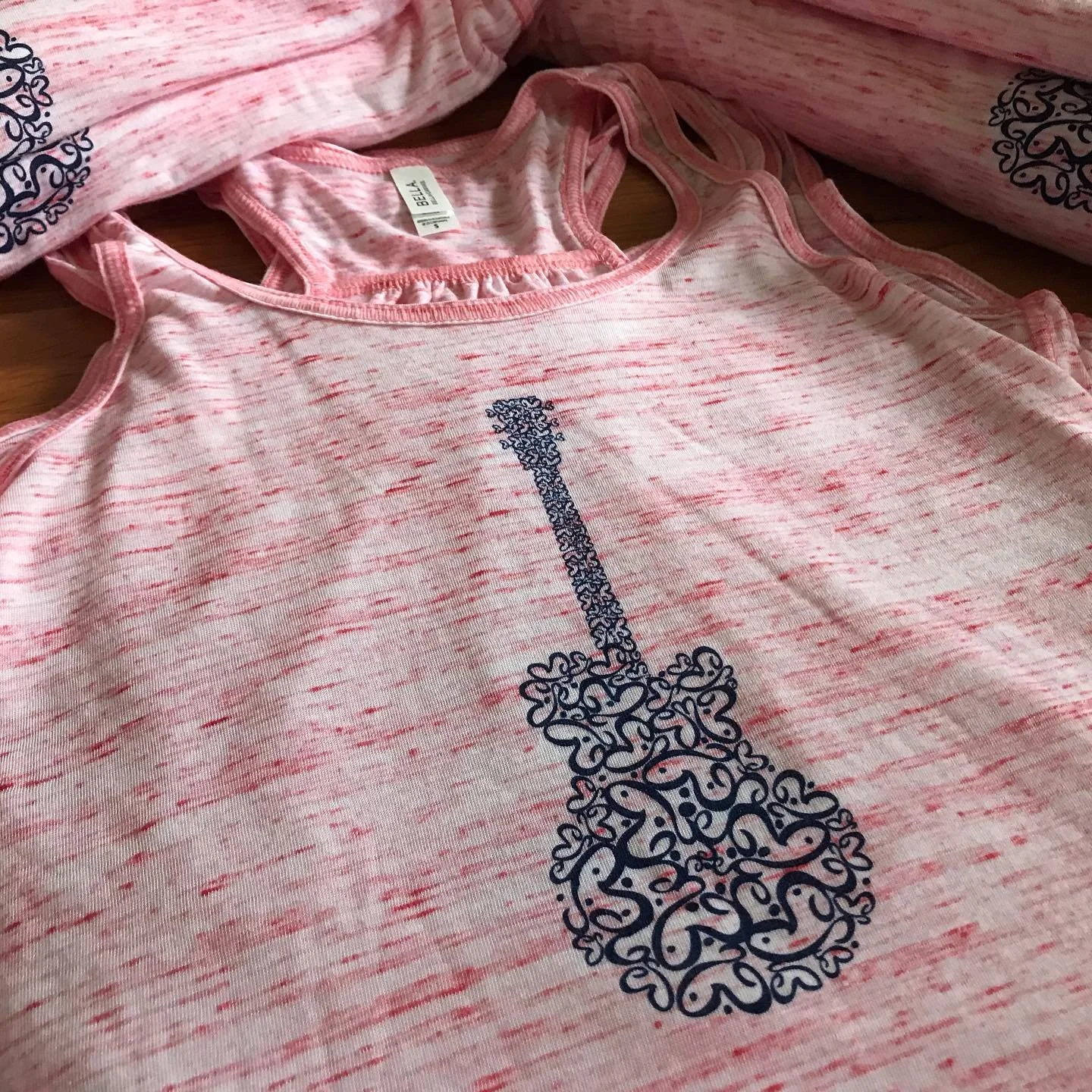
Sleeveless band tops are the perfect solution for outdoor amphitheater shows as you get the artwork and band merch you love without fabric clinging to your arms while you’re standing in line for a drink or dancing in the heat. They’re also easy to pack, making them a favorite for fans flying to a run of shows and building a carry-on around a few outfits. For the ladies, the Bella+Canvas Flowy Tank is our go-to thanks to its lightweight, flattering fit, although they have also continued to limit some of its color and blend options. Many fans pack one tank and one tee for a weekend of shows and switch between them depending on the weather, making them an easy concert wardrobe combination.
Fit Notes That Save You a Return
Band merch sizing is not consistent across brands, and it is not consistent across decades. A shirt printed in the nineties may be cut completely differently from a modern reproduction of the same graphic. A few habits cut down on the guesswork.
Check the listed size range before you fall in love with a print. Many graphic band tees run from XS to 3XL, but not every design is offered across the full spread.
Read the product page for measurements, if offered, not just the letter. Chest width and body length tell you more than S, M, or L ever will.
Decide your preferred drape in advance. Fitted, true to size, and intentionally oversized are three different purchases.
For resale and vintage listings, ask the seller for flat-lay measurements. Secondhand sizing labels can be misleading after years of washing.
If you plan to layer a tee over a long-sleeve or under a flannel, size up rather than relying on stretch.
One more thing worth doing is try the shirt on with the shoes and bottoms you plan to wear to the show. A tee that looks right with leggings can look completely different with boots and a denim skirt, and that mismatch is usually what sends a shirt back to the closet.
Band Picks That Hold Their Ground
Some graphics carry a crowd. Classic rock staples keep turning up in search results and resale listings, and it is easy to see why. A Queen concert tee, a Journey band shirt, a Matchbox Twenty graphic, or a Nirvana print each reads instantly from across a room. They also work outside the venue, which is the real test of a band tee.
On the jam side, the catalog runs deep. Vintage-style designs built around Widespread Panic, Phish, Goose, Billy Strings, and the Grateful Dead all live in the same lane, which means a fan can build a rotation that reads as one wardrobe rather than a pile of unrelated merch.
Variety matters more than volume. Three shirts you genuinely wear beat twelve you bought on impulse at a merch table. If you are building a rotation, aim for one dark graphic, one faded or washed print, and one lighter color that works in summer heat.
New, Vintage, or Secondhand
There are three ways into a band tee, and each has a trade-off. New shirts from a brand or artist store come with known sizing and easy returns. Vintage tees carry the softness and faded print that only time produces, but they come with worn collars and unpredictable measurements. Secondhand marketplace listings split the difference, with resale platforms advertising discounts of up to 90 percent off retail on pre-owned concert tees for women.
That last option deserves a closer look if you are hunting something specific. Resale listings frequently include band tees that are no longer in print, and sellers often post measurements and condition notes in the description. Ask about pit-to-pit width, body length, and any staining or thinning before you buy. A quick question saves a disappointing package.
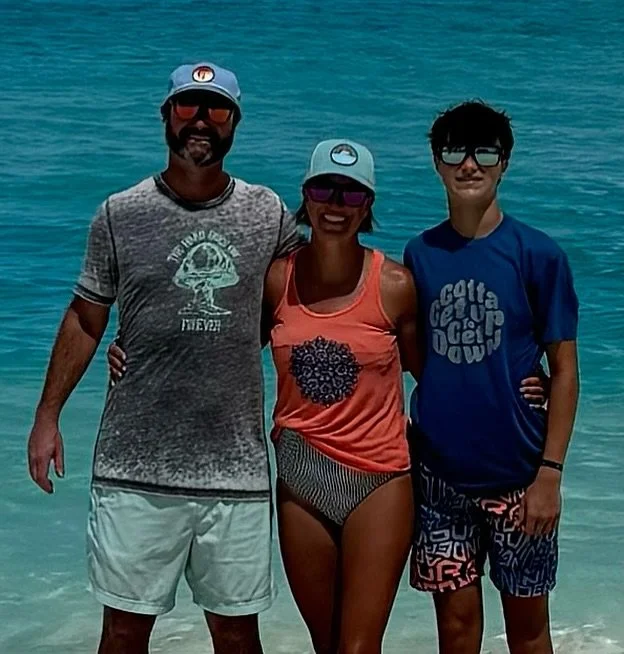
Styling a Tee
The most common styling complaint about band tees is that they feel shapeless by the time you reach the gate. A few small adjustments fix that without sewing a thing. Knotting one side of an oversized tee shortens the body and creates a waistline. Tucking the front into high-rise denim builds a defined shape while leaving the back loose. Rolling the sleeves twice changes the whole proportion of the shirt.
Shorter bodies, shorter sleeves, and a new neckline are the three changes that most reliably turn a shirt from "not sure about this" into an easy favorite. Layering does the rest. A graphic tee under an open flannel handles an indoor venue while wearing alone with shorts handles an outdoor day set. Add a light jacket you can tie around your waist once the sun drops.
Keeping the Print Alive
A band tee with a cracked print loses most of its appeal. Common practice is to turn the shirt inside out before washing, use cold water, and skip the dryer in favor of hanging it flat or on a line. That routine protects both the ink and the fabric, and it slows the fading that turns a crisp graphic into a ghost. Vintage tees that already show wear should be washed gently and rarely.
At the end of the day, the best concert shirt is the one you’ll actually want to wear long after the show is over. It is important to choose the fit, fabric, print quality, and style that feels as good as the music itself. At Drifter Merch, we’re all about creating band-inspired apparel that feels authentic, looks great, and becomes part of your concert memories for years to come.
Concert Tees: What to Know
A concert tee is the cheapest souvenir you can wear every week. It is also the one piece of merch that keeps working long after the encore, softening a little more with every wash until it fits like something you have owned forever. Drifter Merch has been making vintage-style, music-inspired apparel out of Charleston, South Carolina since 2016, and we have spent plenty of those years standing behind a table in the Shakedown lot watching which shirts fans pick up first. This guide covers what makes a lot-style shirt feel right, how sizing and fit really work, what vintage tees pull on the resale market, and how bands and festivals can build their own.
What Counts as a Concert Tee
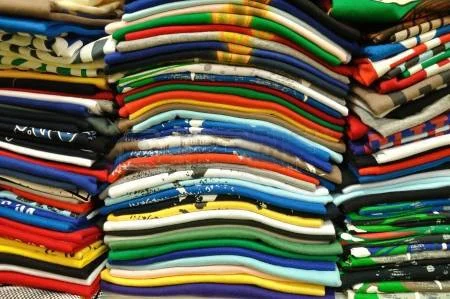
A concert tee is any shirt tied to a live music moment whether it is a tour date, a festival, a benefit show, a band's own merch table or any tees inspired by a band. In practice the category splits into three rough groups, and most fans own something from all three.
Tour merch: These are shirts sold at the venue or the lot for a specific run of shows, often with a dated back print.
Licensed band tees: The official designs are made for legacy acts. Fans can find licensed concert tees for bands like The Beatles, Fleetwood Mac, and Led Zeppelin at major retailers, which means these designs now live far beyond the merch table.
Independent and lot-style shirts: These are small-batch designs from brands, artists, and lot vendors who print their own graphics inspired by the music.
The line between those groups has gotten blurry. Major retailers now stock graphic band t-shirts right next to their general apparel, and marketplaces are flooded with options. A single search for jam band t-shirts on Etsy returns more than 5,000 listings, while Amazon offers thousands more music and concert tees which underscores the enormous and competitive market for jam-band merchandise. The choice is not the problem anymore. Knowing what to look for is.
Why Lot-Style Shirts Feel Different
Lot style is less about one specific print and more about a particular feel, but quality matters just as much as the aesthetic. Many of the tees sold in shakedown lots are cheaply printed, often using lower-cost processes that can look and feel different from a true screen print.
The details that sell the vintage look
Faded, distressed or cracked-effect inks, off-white and washed-out colorways, and graphics that look screen printed rather than digitally pressed all do the heavy lifting. Fit matters just as much. A lot-style shirt usually runs a little boxy, with a slightly shorter body and a collar that has some give. We choose the more premium brands with a more fitted look in heathered colors. That silhouette is why the same graphic can look completely different on two people, and why fans often size up on purpose.
Sleeves, crew necks, and cut
Most concert tees are short sleeve crew necks, but the range is wider than it used to be. Concert tee listings with sleeves cover everything from standard tees to longer cuts, and graphic band t-shirt assortments commonly list crew necks and pullovers side by side. Women's flowy tanks and tees, have become a steady seller.
Sizing and Fit Checklist
Sizes vary by maker, so treat any size chart as a starting point and measure a shirt you already like. Most graphic band t-shirt lines run from XS through 3XL, and that is a reasonable floor to expect from any serious seller. Measure the chest, body length, and sleeve on a tee that fits you the way you want, then compare those numbers to the seller's chart. Reviews mentioning shrinkage are the fastest way to find out whether a shirt runs true or tight.
Print Quality Is the Difference Between a Keeper and a Drawer Shirt
The graphic is what you are paying for, so it deserves a close look. Our screen printed designs tend to hold their character longer than thin digital prints, and heavier ink coverage usually means a bolder graphic the kind of quality that holds up to repeated wear and washing. We focus on the shirt itself, the feel of the fabric, the artwork, and the print quality, not simply producing a large quantity at the lowest possible cost.
The Resale Side: What Vintage Tees Pull
Some concert tees stop being clothes and become collectibles. Vintage music tees from the 80s and 90s have a documented resale market, and the top end is well above what most fans would guess. One roundup of high value concert tees lists a Grateful Dead Panther tour tee from 1994 at $2,750 and a Nirvana In Utero tour tee from the 1990s at $2,000, with a Björk Post-era tee also named among the standouts.
Those numbers come from a collector roundup rather than a formal auction index, so treat them as a signal of demand rather than a guaranteed price. Condition, size, print legibility, and whether the shirt is single stitch all move the number. If you are sitting on an old tour shirt, check completed sold listings on resale platforms before you assume a figure you saw online applies to yours.
Upcycling Beats Retiring a Worn Tee
Not every old shirt is worth selling, and not every worn shirt is trash. Shirts from the 80s and 90s that have gone thin and holey are prime candidates for upcycling: cutting and reworking into a cropped fit, a patchwork panel, a tote, or a quilt. This is a good option for shirts with sentimental weight and no real resale value, and it keeps a piece of a specific night in your closet in a form you will actually wear.
Custom Concert Tees for Bands and Festivals
If you play in a band, run a festival, or organize an event, the merch table is part of the show. Drifter Merch offers custom screen printing and embroidery for bands, artists, schools, festivals, businesses, and events, which is the same production path we use for our own vintage-style line. That means you are not choosing between a cool design and a shirt people will actually wear on repeat.
We also vend in person at our blue tent setup throughout the Southeast, including WSP Moontime Markets, Goose Flodowns, and Drifter Fest, plus Etsy and an Amazon storefront. Standing in the lot is how we learn which graphics sell before the opener and which ones sell at set break. Bring a print idea, a rough sketch, or just a vibe, and it can become a shirt.
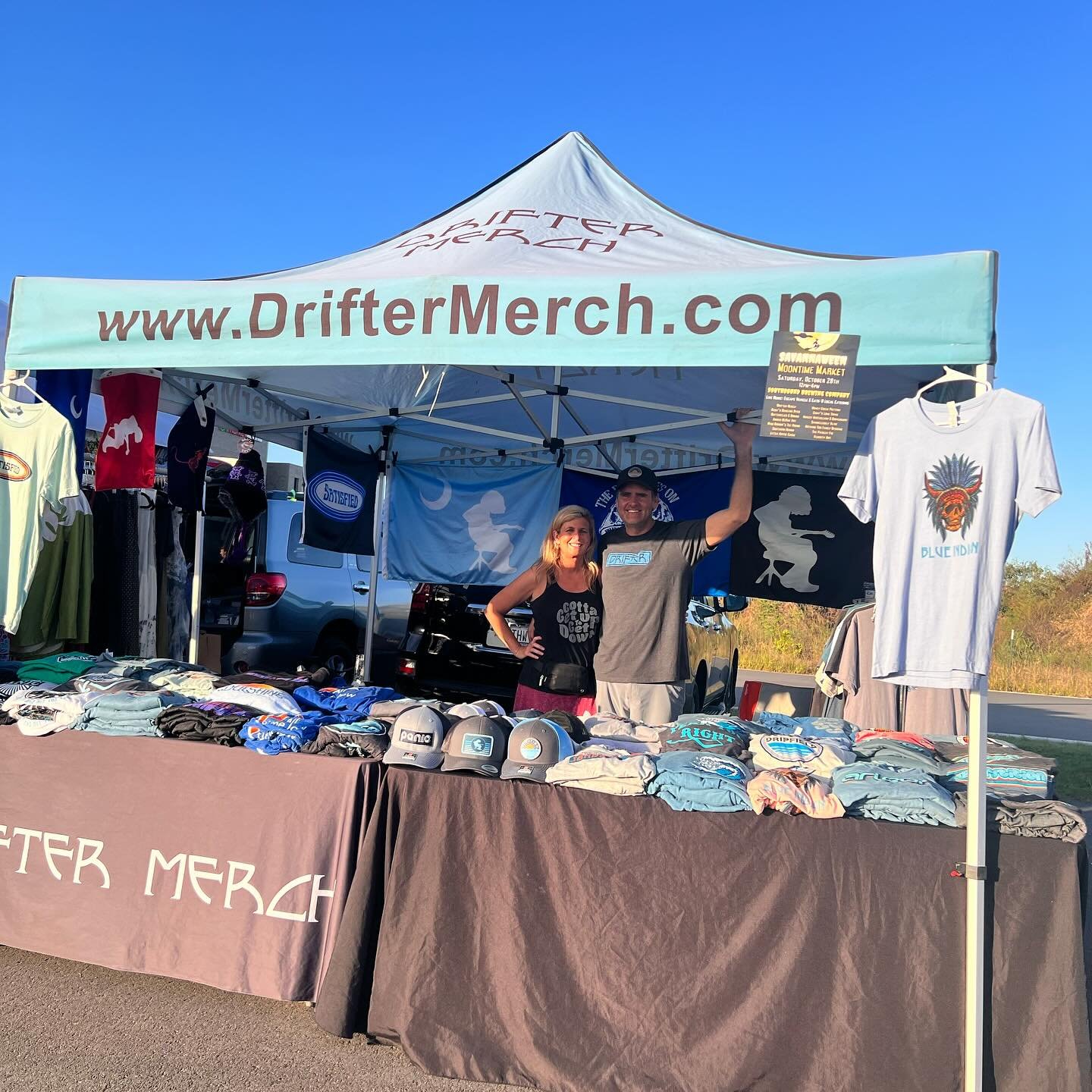
Where to Buy Concert Tees
You have more paths than ever, and each one serves a different goal.
Direct from the band. Best for supporting the artist and getting the exact tour design. Merch tables and official webstores typically carry the current run, and proceeds go to the artist rather than a licensee. Sizes can sell out fast on popular dates, so buy early in the tour or online before the run ends.
Major retailers. Useful for licensed designs from legacy acts. Big-box stores and chain music shops stock standard fits, but print quality varies by license, and a licensed reprint is not the same shirt sold on the original tour.
Marketplaces. Etsy and Amazon carry enormous volumes of concert tees. Check seller photos closely, since reprints and bootlegs mix in with official stock, and confirm measurements rather than trusting tag sizes.
Specialty and vintage sellers. The place to hunt original 80s and 90s shirts. Expect single pieces rather than full size runs, so if you find your size, do not wait.
The Shakedown Lot. Cash-friendly with designs you will not find anywhere else. Vendors set up outside venues, so selection shifts by city and night.
Buy from whoever has the graphic you want to wear, but check the size chart, the print method, and the return policy before you commit.
Frequently Asked Questions
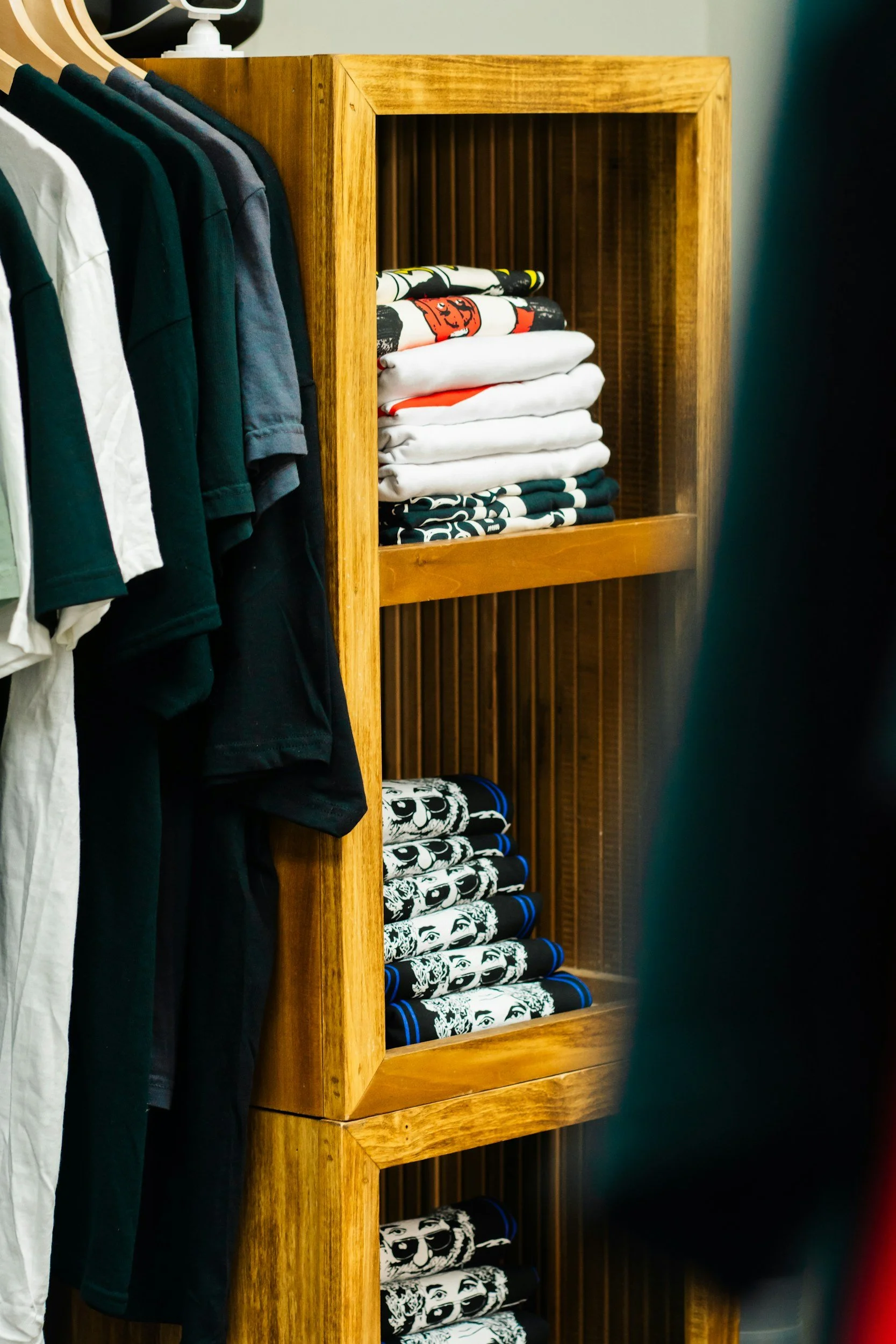
What is a concert t-shirt?
A concert t-shirt is apparel tied to live music, usually sold at a venue, in the lot, or through a band's online store. It can be a dated tour shirt, an officially licensed design for a legacy act, or an independent graphic inspired by the music. What ties the category together is the connection to a show or an artist rather than the shirt itself.
Why are concert tees so expensive?
Pricing is set by whoever is selling the shirt, and it varies by artist, venue, city, and design. There is no single number that applies across the board. Vintage tees are a separate market, where scarcity and condition drive value, with top examples reported in the thousands of dollars. For current merch, compare prices before you buy.
What sizes do concert tees come in?
Most graphic band t-shirt lines run from XS through 3XL, and you will commonly see crew necks, pullovers, and other cuts within that range. Always check the individual seller's size chart, since measurements vary between manufacturers even when the listed size is identical.
Where can I buy concert tees?
Bands sell them at shows and through their own stores. Major retailers carry licensed designs for acts like The Beatles, Fleetwood Mac, and Led Zeppelin. Marketplaces such as Etsy and Amazon stock thousands of options, including sleeved concert tees and country-inspired graphics. Specialty brands like Drifter Merch focus on vintage-style, music-inspired designs for the jam-band rock crowd.
Are old concert tees worth anything?
Some are. Vintage music tees from the 80s and 90s have an active resale market, and high value roundups list examples in the thousands of dollars. Most shirts will not reach that level. Condition matters enormously, so check completed sold listings on resale platforms to see what your specific shirt has actually gone for recently.
The best concert tee is the one you reach for on a random Tuesday, months after the show, still humming the second set. Whether it came off a merch table, a vintage rack, or a screen printer you worked with directly, a shirt earns its place by getting worn. So buy the graphic that makes you grin, check the size chart before you commit, and wash it inside out so it lasts another tour or ten.