DTF vs. Screen Printing: What to Know
Get ready to give your artwork the print it deserves. One of the questions we hear most from customers is how to bring a full-color design to life on a shirt, and DTF or Direct-to-Film, is usually part of that conversation, and for good reason. It can capture photo-like detail and vivid color beautifully.
But when the goal is that soft, lived-in band tee you’ll reach for long after the show, screen printing is usually our first choice. The difference isn’t just how the design looks. It’s how it feels when you pull that favorite lot shirt on.
What’s the difference between DTF and screen printing?
DTF starts with a design printed onto a special film. The design is then transferred to the garment using heat and adhesive. Because it doesn’t require a separate screen for each color, DTF can reproduce gradients, fine details, and full-color images without the setup involved in traditional screen printing.
Screen printing uses a mesh screen and stencil to apply ink to the garment. Each color needs its own screen and print pass, and we can screen print designs with up to 8 colors. That extra setup takes more planning for complex artwork which is why minimums exist, but it’s a tried-and-true way to make durable merch with a classic, tactile print.
Both methods can produce great apparel. The best fit depends on what your artwork needs, and what you want the finished shirt to feel like.
Why does DTF feel more like vinyl?
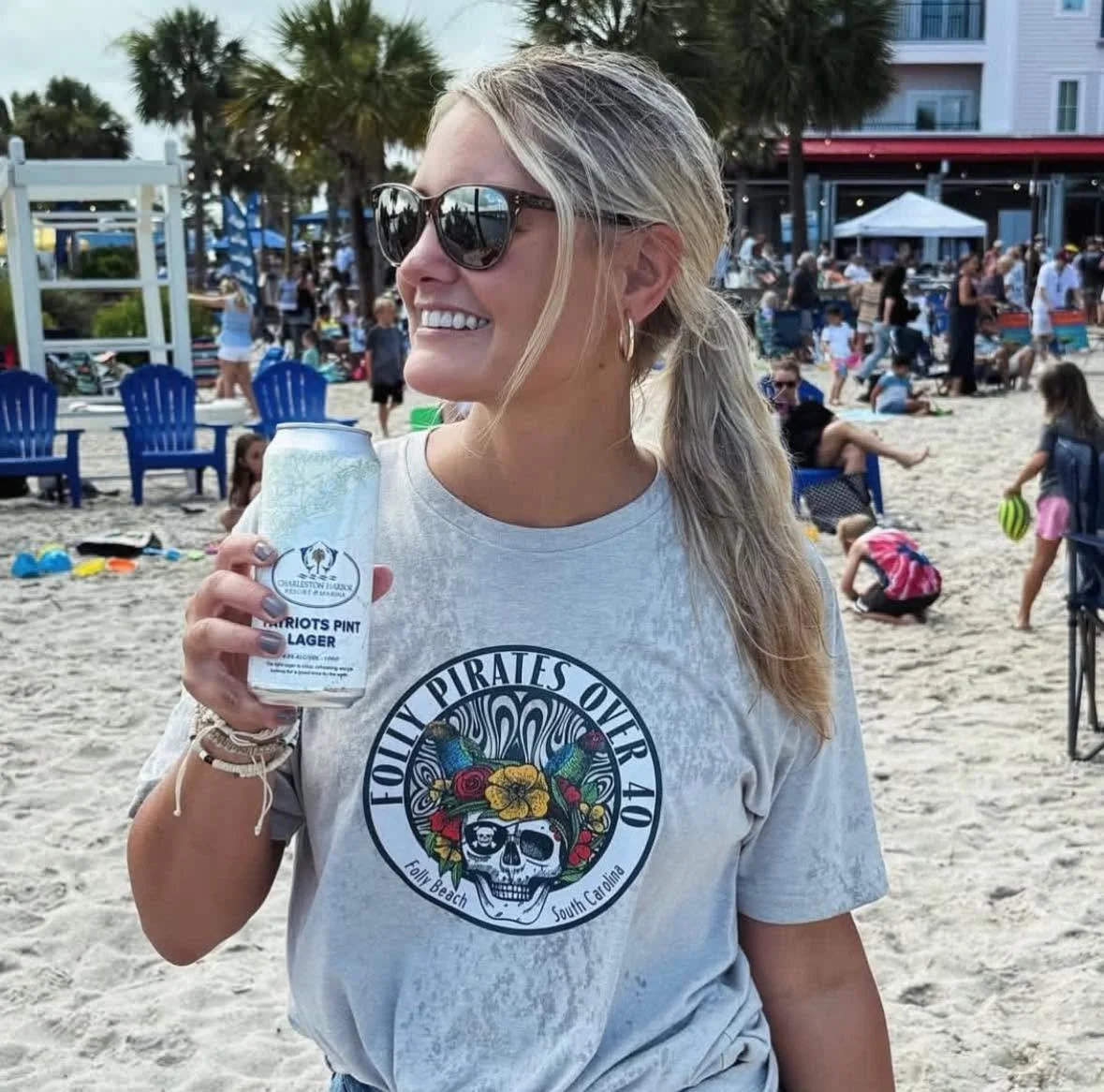
This multicolor print was created with DTF printing.
This is the part you notice right away when you run your hand across a shirt. DTF creates a flexible transfer layer that sits on top of the fabric. It can feel smooth and slightly raised, more like a thin, pliable vinyl layer than ink worked into the shirt.
That finish isn’t automatically a problem. For a compact logo or a detailed, colorful design, a DTF transfer can look sharp and do exactly what the artwork calls for. Modern transfers can also be flexible and durable when they’re produced and applied correctly.
But on a large graphic, the surface feel becomes more noticeable. You may feel the edges of the design, and the printed area can feel warmer or less airy against your skin. If you love the soft, broken-in comfort of an old concert tee, that more substantial, surface-level feel may not be your first choice.
The screen-printed feel fans know
With screen printing, ink is applied directly to the garment rather than attached as a transfer film. The feel varies with the ink, the fabric, and how much of the shirt the design covers. A heavy, solid print can still feel pronounced. But for many classic band tees (especially designs using a few colors and open, breathable artwork) the print has a more natural, fabric-connected hand.
That’s why screen printing is such a good match for vintage-inspired merch. It suits bold lettering, hand-drawn artwork, sunbursts, and the kind of slightly worn-in aesthetic that feels right at a show or on the lot. The graphic becomes part of the shirt’s character, not just a smooth panel placed on top.
Which one works best for full-color designs?
Here’s the simple answer. If your design depends on photographic detail, smooth gradients, or more than 8 colors, DTF is the way to go. Think of a vivid landscape, a detailed collage, or artwork with many small color transitions. DTF can preserve details that screen printing’s 8-color limit simply can’t cover.
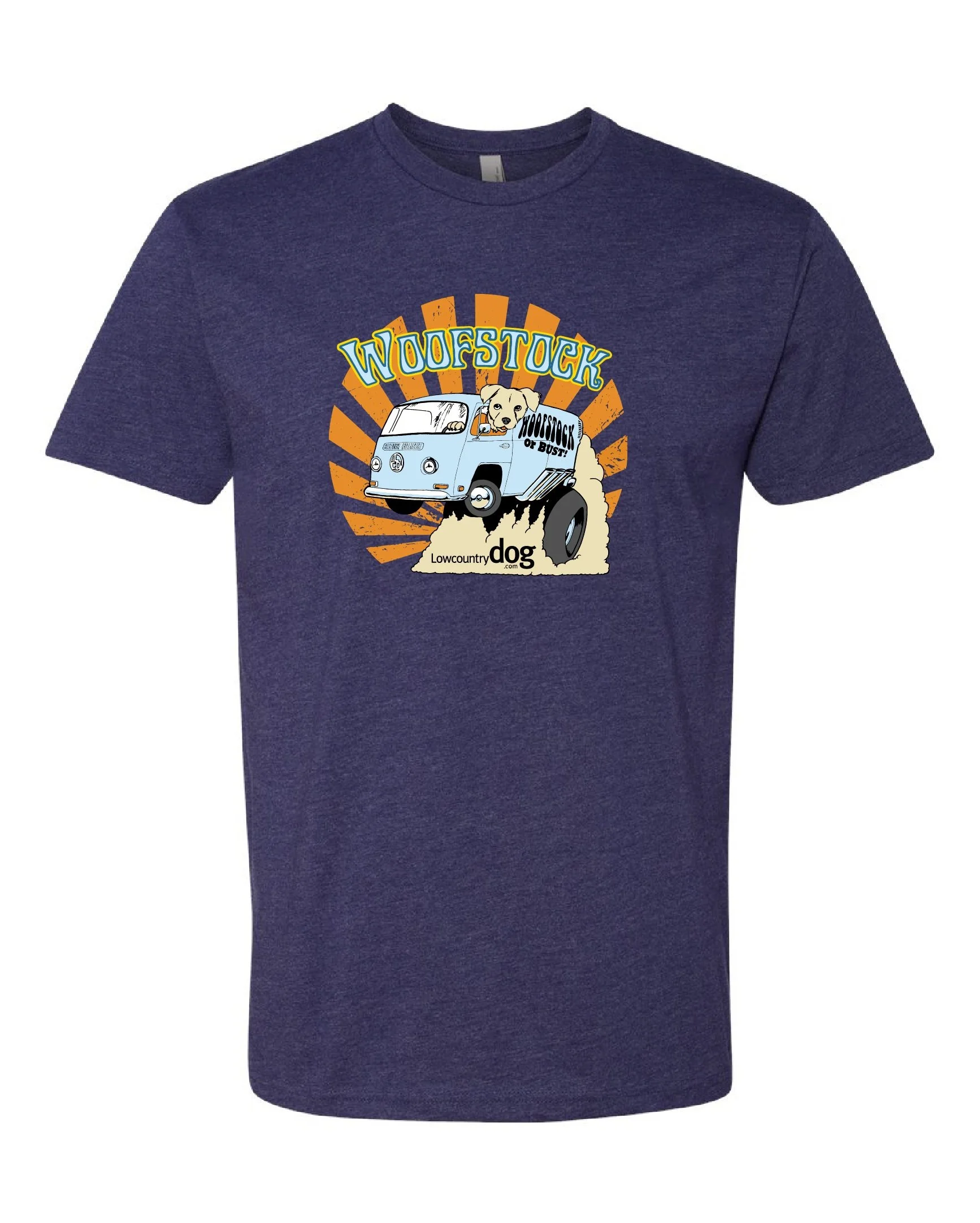
Custom Screen Print with 8 colors
That said, screen printing can absolutely create colorful art within those 8 colors. It’s especially strong when the design uses a controlled palette and clear shapes like three or four punchy colors instead of a photo-realistic image. A well-built 8-color screen print can look rich and layered, and it keeps that soft, authentic hand-feel fans love.
A useful rule of thumb is to choose the printing method that serves the artwork, not just the color count. A full-color design with photographic detail may be a natural DTF project. A bold, limited-color piece made for a tour run may look and feel better screen printed.
So, which method should your design choose?
Picture your artwork finished and hanging on the rack. Is it a large, intricate image with subtle color shifts or more than 8 colors? DTF is the right tool to preserve that detail. Is it a strong, vintage-style graphic meant to feel soft and natural on a cotton tee? Screen printing is likely the better starting point.
For example, a photo-like sunset scene with a dozen blended colors is a natural DTF project. A three-color, hand-drawn design for your next favorite lot shirt is a screen-print standout. And a bold design that stays within 8 colors can go either way; we’ll help you weigh how its size, colors, and garment choice affect the feel and the look.
A few questions to ask before you print
Before you approve a design, ask yourself:
How important is the hand feel? If a soft, breathable shirt is a priority, tell your printer. Screen printing may be the better fit for the look and feel you want.
Does the design rely on fine detail, gradients, or more than 8 colors? Those are strong reasons to consider DTF.
How many pieces do you need? Quantity can change which method makes practical and budget sense.
How large is the print? A small transfer may feel very different from a large, solid image.
What garment are you printing on? The shirt’s fabric and weight influence both comfort and the finished look.
If you’re unsure, bring the design and your goals to your merch partner before production. A good printer should help you weigh the trade-offs, not just say yes to the first method you mention. We get into more of the decisions that shape great merch in our guide to choosing a custom merch partner.
The short answer: let the art, and the feel, lead
DTF gives you a practical way to print vivid, full-color, detailed designs. Its surface can feel smoother and more vinyl-like because the transfer sits on top of the garment. Screen printing is usually our go-to for classic band merch when a soft, breathable, vintage-style feel matters as much as the artwork.
At Drifter Merch, we offer both DTF and screen printing (up to 8 colors), and we love helping you find the right approach for your project. We’ve spent years in music culture, from local events to festivals, and we know merch should feel as good as the memories behind it.
Ready to put your design on a tee, hoodie, or other custom gear? Visit our custom orders page and tell us what you’re making. We’ll help you choose a print method that does your artwork, and your fans, justice!